THE ROCHDALE RADICAL
George was born in Neumunster in Northern Germany. His family were Jewish. His father, Martin, was an industrial chemist and his mother was Hannah Feldman, a portrait photographer.
His father worked for the Jewish company of ‘Adler and Oppenheim’ and the family moved to Luxembourg for a nine-month period.
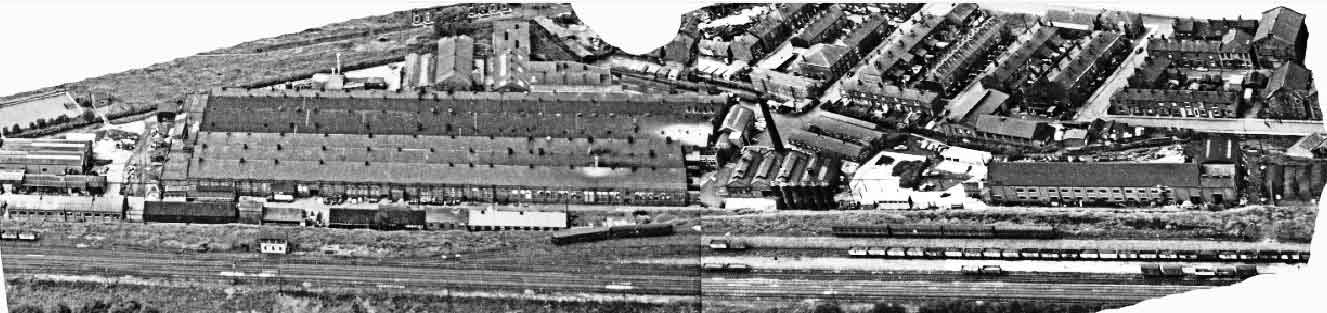
The firm then opened the Lancashire Tanning Company in Rochdale, so the family moved to Bury in England. Consequently, they missed the full horrors of the Second World War.
Nevertheless, at the beginning of the war, George’s father was arrested and interned as an ‘enemy alien’.
The police ransacked the Abendstern house and removed many of their belongings including George’s beloved transistor radio.
The neighbours were furious. The houses next door turned up their radios to full volume and held them up against the walls so that George could continue to listen, and they also sent a constant stream of letters to the authorities protesting at Martin’s captivity.
George said this was the first example he had of seeing the difference between the actions of ordinary people and the state.
Unfortunately, Martin contracted tuberculosis, so he was released after only a relatively short period of captivity.
Aged fifteen, George left school and began an apprenticeship at the engineering company of ‘Mather and Platt’, based at Newton Heath in Manchester.
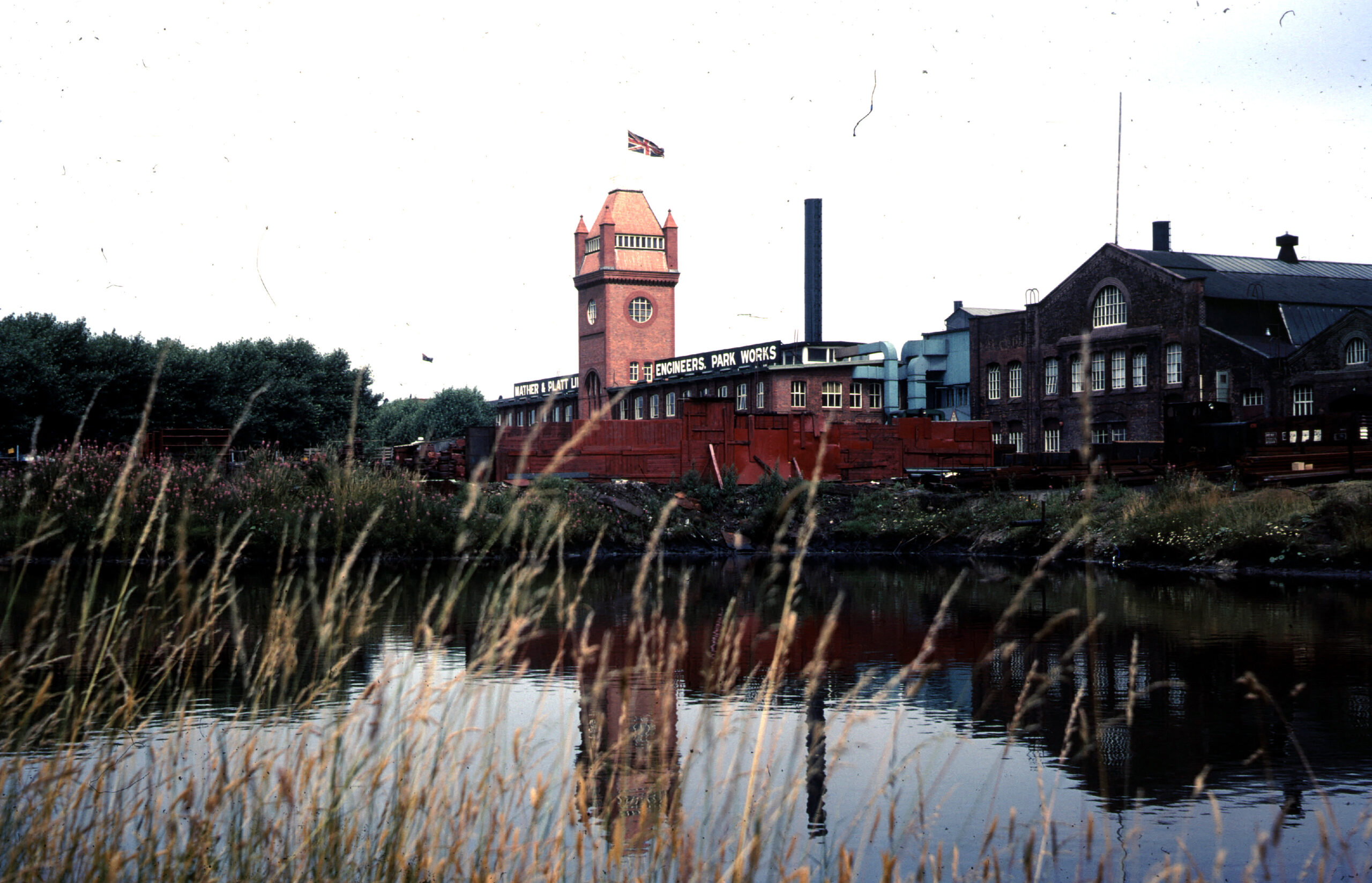
Upon completing his apprenticeship, George became a draughtsman and later a technical author. They were jobs he absolutely loved. He revelled in the hurly-burly of the shop floor and the dynamics between the workers. It was there that he became politicised.
George became an active Trade Unionist with the AEU (Amalgamated Engineering Union) and joined the Communist Party.

In 1952, George married Jacqueline Shotton and they had two children, Jeanette and Michelle.
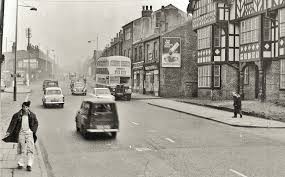
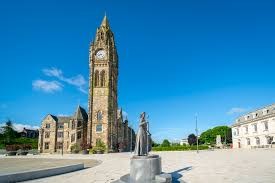
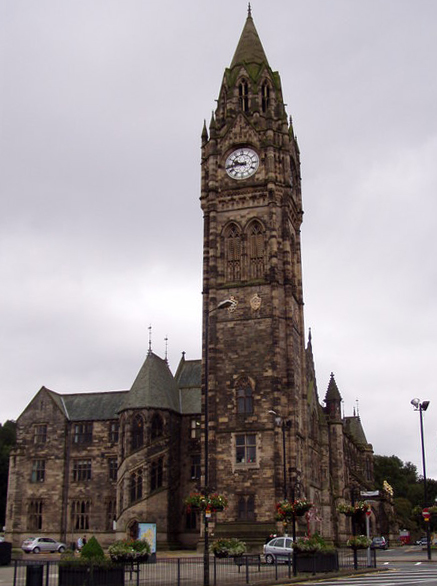
George absolutely loved Lancashire and its heritage. He had a passion for old mill engines. In the early 1970s, George took a group of Germans around Rochdale, which was still heavily industrialised at the time. He was asked, how could anybody live in such a place?
George was horrified and burst into tears. “But this is my home”, he pleaded.
George and Jacqueline were amicably divorced in 1977.
Three years later, George met Linda Clair, from Manchester – “My partner in life and politics.” He became the stepfather to Linda’s daughters, Julie and Beverley.
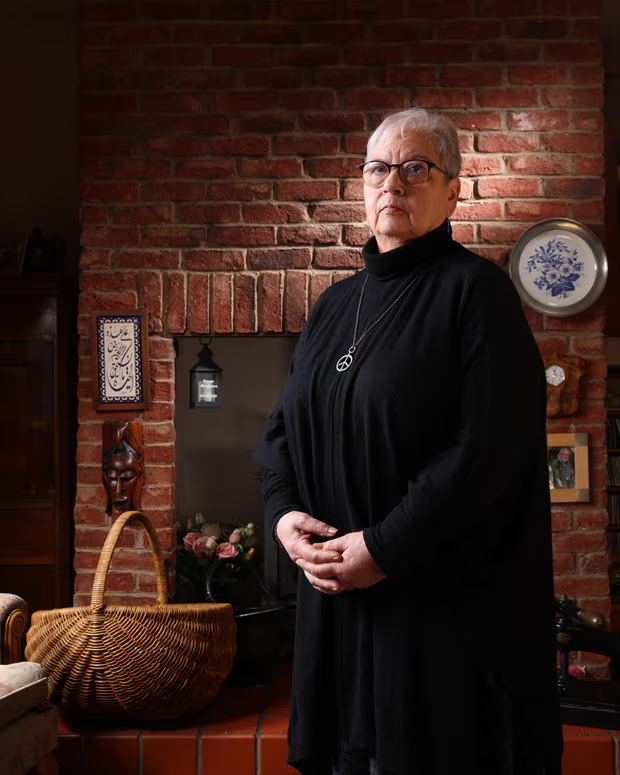
Linda was also very much involved in activist projects, including founding a junior branch of CND (The Campaign for Nuclear Disarmament). She said of George, “Politically, we were on the same page.”
George was unexpectedly made redundant in 1980. He got a new job working for the Race Relations Council.
He became increasingly politically active, joining CND and promoting peace. He welcomed refugees, often inviting them into his own home and delighted in cooking them ‘traditional Lancashire food’.


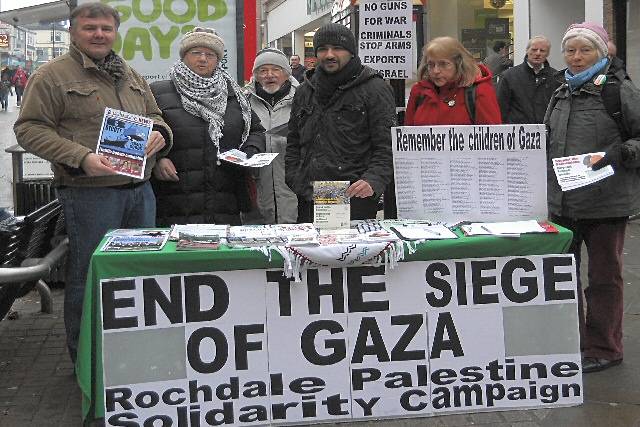
In 1986, Linda went on a trip to Palestine. On her return, she told George of the depravation she had witnessed. Despite being Jewish himself, George started an anti-Zionist campaign.
He led the BDS (Boycott Divestment and Sanctions) campaign, encouraging people to avoid buying Israeli products. He would go round supermarkets putting protest labels on goods from that country.
He also marched – on any campaign he felt strongly about.
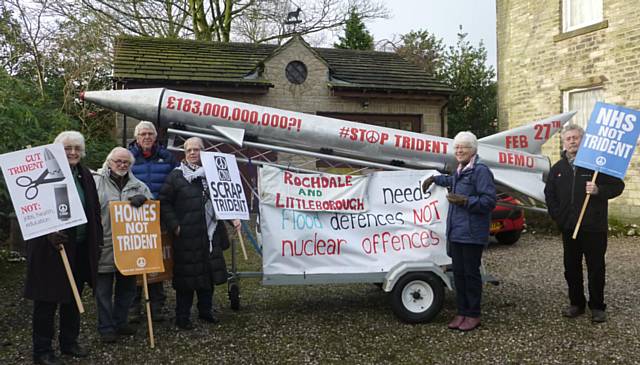
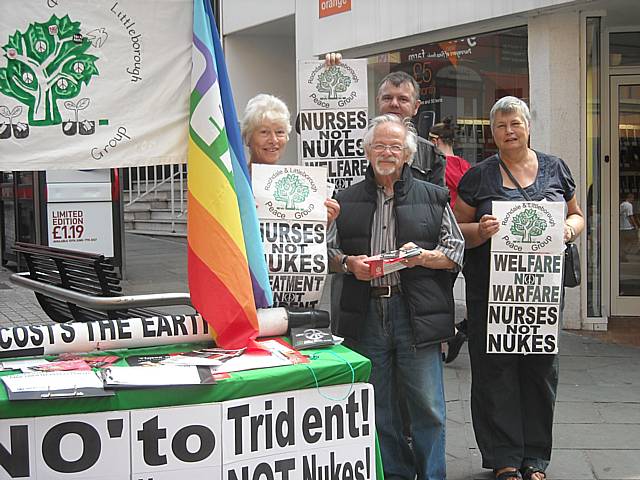
George was an avid letter writer, both to the press and political opponents. He was prominent in protests against Margaret Thatcher’s Poll Tax plans.
George finally retired in 1993.
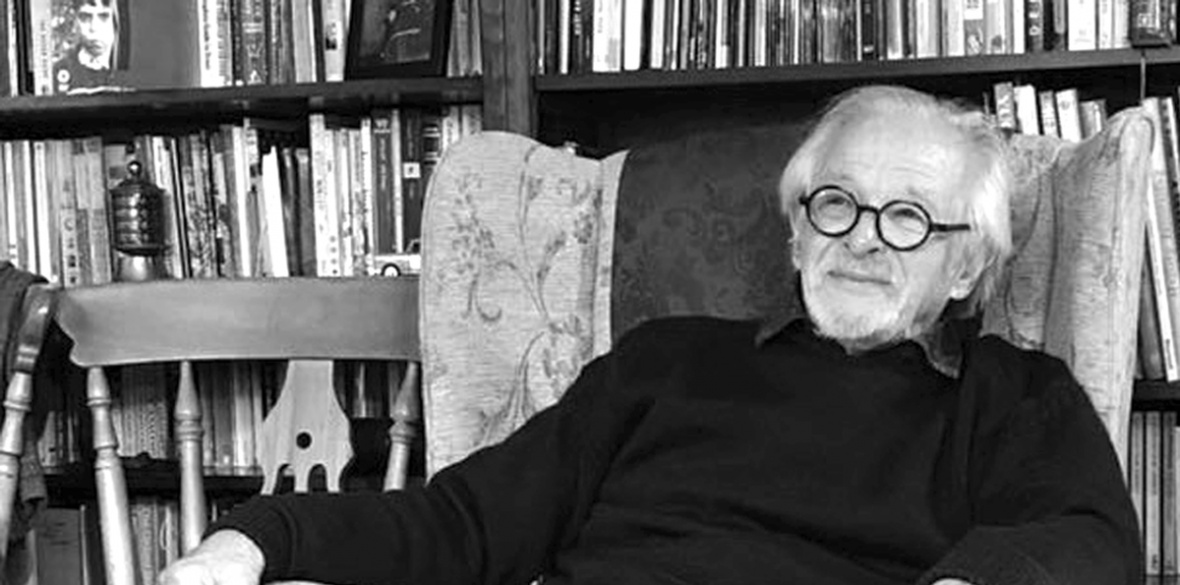
CND presented him with a specially made wooden bowl. Inscribed on it was, ‘To George…In appreciation of a lifelong commitment to peace.’
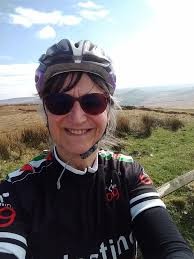
He went on to have the most active retirement anybody could imagine. He took up cycling and photography – the latter following in his mother’s footsteps.
His daughter Jeanette became a poet in Scotland – and Michelle campaigns for the Palestinian cause.
George started taking his grandchildren to museums and also loved visiting Hardcastle Craggs, near Hebden Bridge in West Yorkshire.
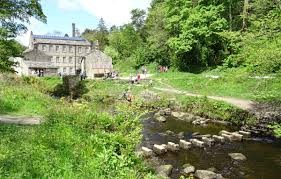
He became a keen hiker in the Lake District and Pennines, and spent a lot of time on canal boats.
George began researching the history of his beloved Rochdale and its industrial heritage.
He also started making his own bread.
He never stopped being interested in politics. His partner, Linda, said “If you’ve been an activist and still care about the same things, you can’t just switch off and retire.”
When he died, George was described as a man of charm, style, warmth and humour – and a man who would fight any injustice.
Linda said their philosophy was, “It won’t change if I don’t do anything, but it just might if I do…and so, I’ll never stop trying.”
RIP – Rochdale’s Industrial Protector