
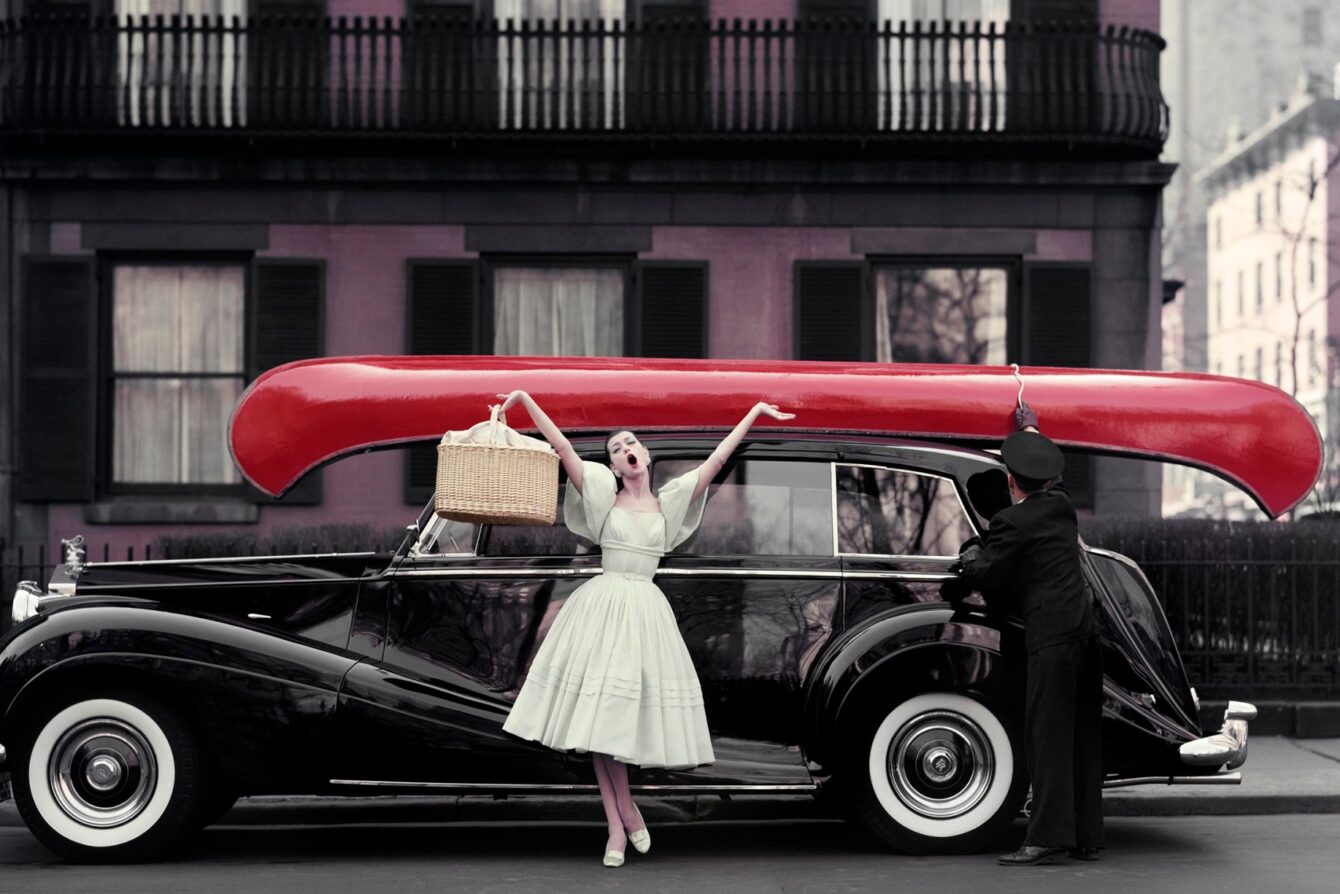
AN ORDINARY GIRL IN WONDERFUL CLOTHES
Barbara was born in New York City. Her father, Matthew, left the family whilst she was still a baby.
Her mother, Izma Shirley, brought Barbara and her older sister up on her own, taking a variety of jobs, such as seamstress and switchboard operator, to make ends meet.
After leaving school, Barbara worked at a beauty parlour in Queens and absolutely hated it. A passer-by in the street told her she should be a model.
Barbara took her at her word and applied to the New York department store, Bergdorf Goodman. They took her on, to model the clothes of in-house designer, Mark Mooring.
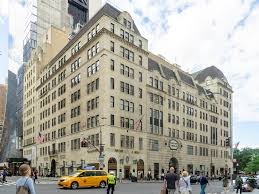
The models that were attached to specific shops were known as ‘Department Store Mannequins’. Barbara said, “We weren’t anything special. No one knew our names. And no one whistled at us in the street. But we were young, and we were thin – and we were damned lucky.”
It was whilst Barbara was working there that her mother, Izma, was killed in a house fire.
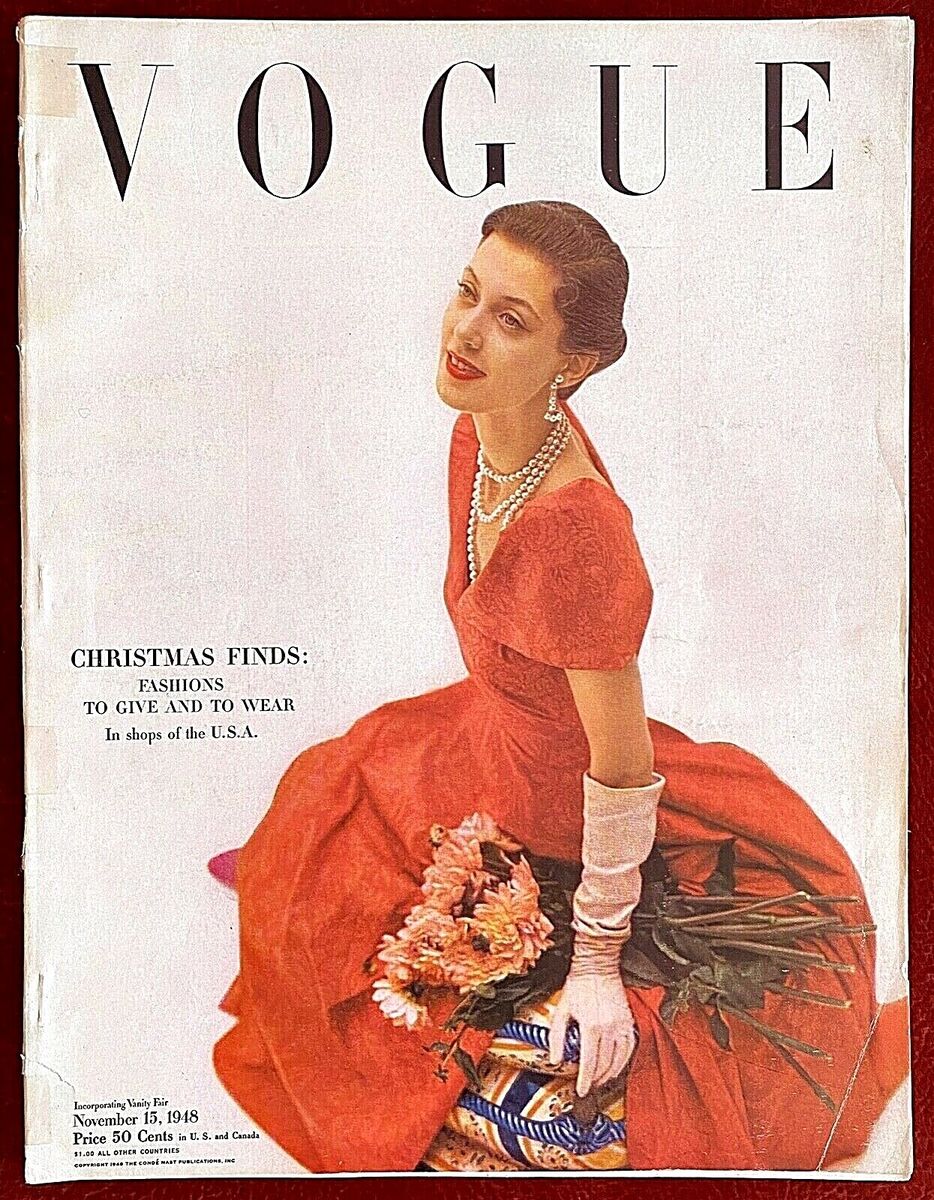
In 1947, one of Mark Mooring’s designs was selected to be on the cover of the fashion magazine ‘Vogue’. However, none of their models fitted the dress. It had been designed for Barbara, who was very tall with long legs.
In the end, it was Barbara who appeared on the front cover, a nervous girl sitting on a green sofa wearing a pink tulle dress. Vogue promoted her as ‘The New Beauty’.
Her career took off and she was in constant demand. “It’s wonderful. I make an average of $400 a week doing a job I’m crazy about.”
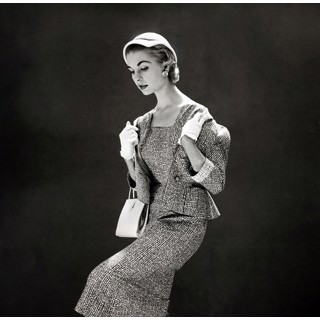
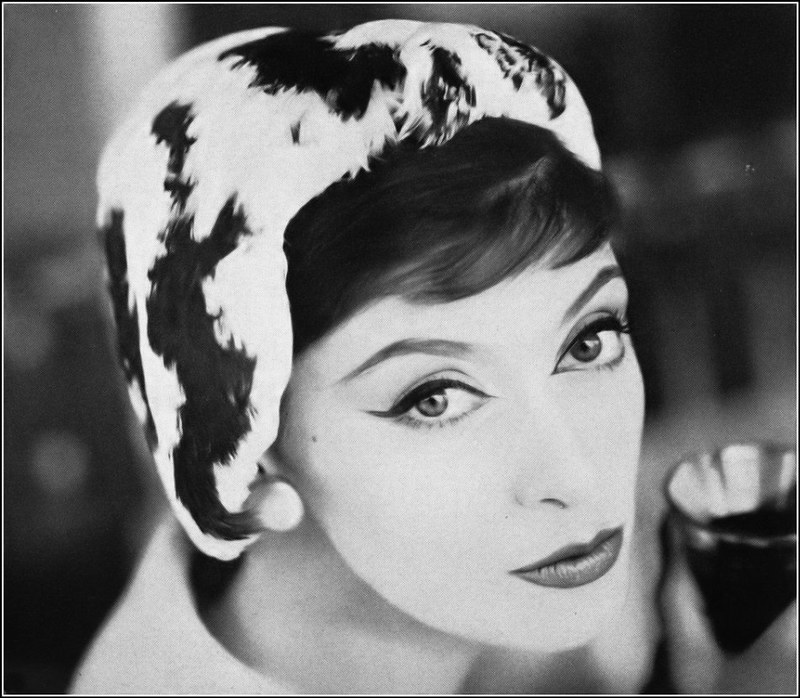
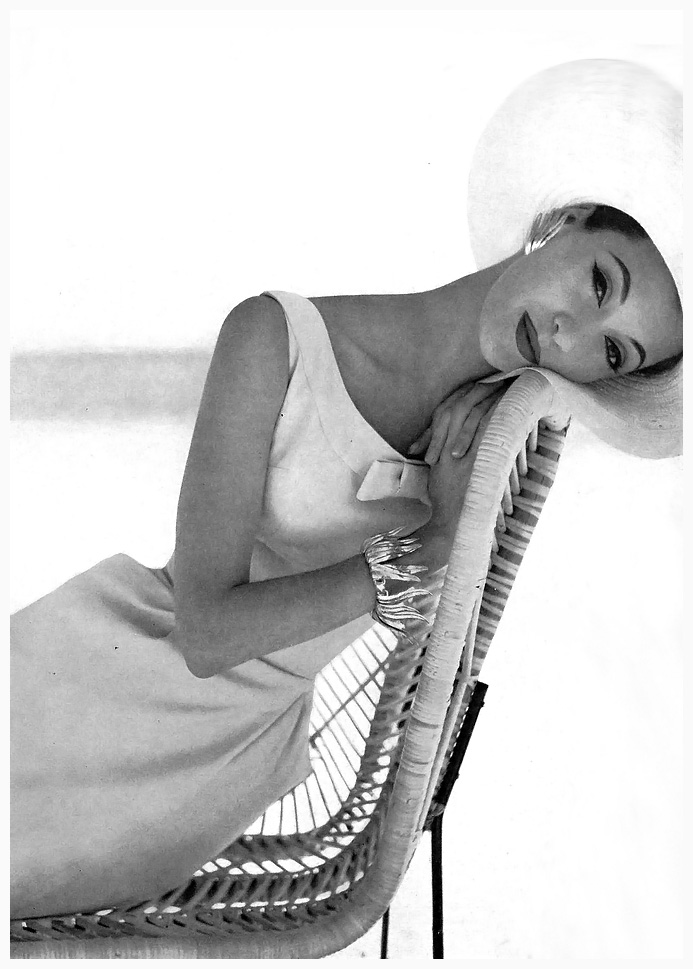
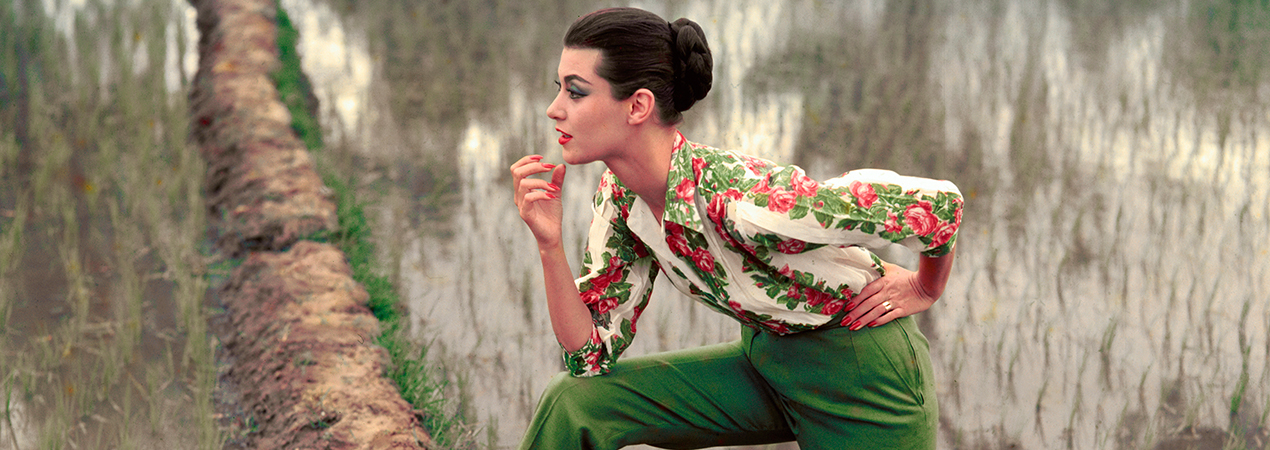
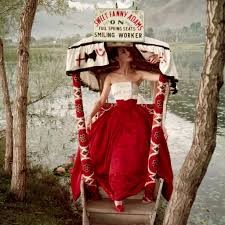
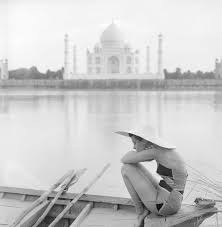
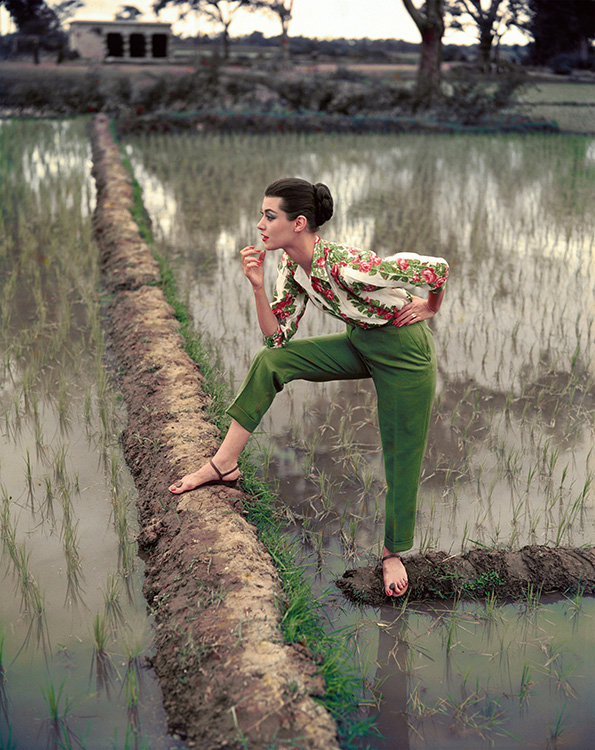
Barbara signed to the Ford Modelling Agency and promptly doubled her wages. She travelled the world on shoots – South America, India (for a photo-shoot with Norman Parkinson) and the Caribbean.
Barbara married wine merchant James (known as John) Punderford in 1949 and they moved to live in Long Island.
In 1955, John was walking up some steps and turned around and said the same sentence three times to Barbara. He went to a doctor for tests and was diagnosed with a brain tumour.
Barbara stepped up her workload to pay the medical bills. However, John died three months later.
Barbara immediately moved to Paris, where she worked with all the leading magazines such as ‘Vogue’ and ‘Harper’s Bazaar’ – and new ones such as ‘Elle’ and ‘Marie Claire’.
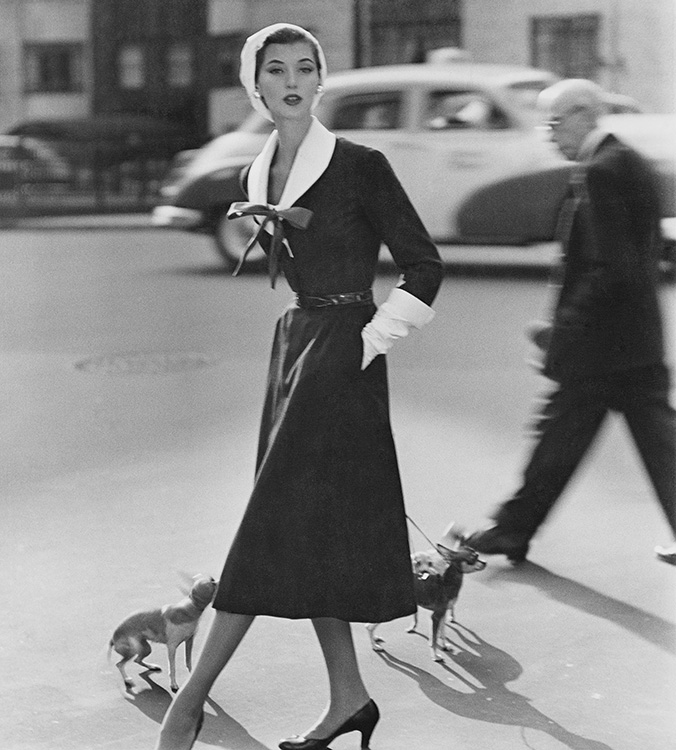
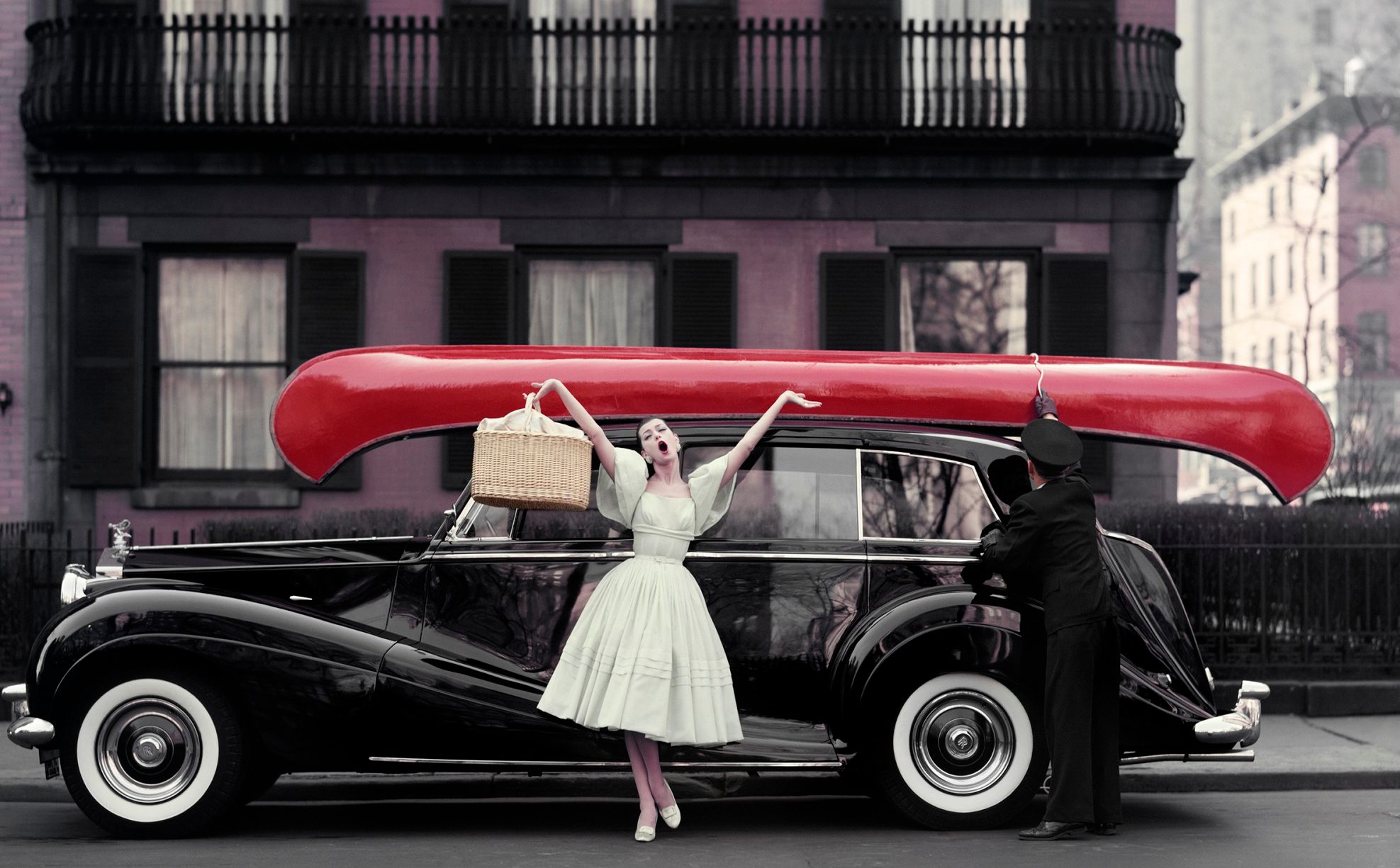
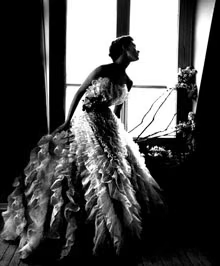
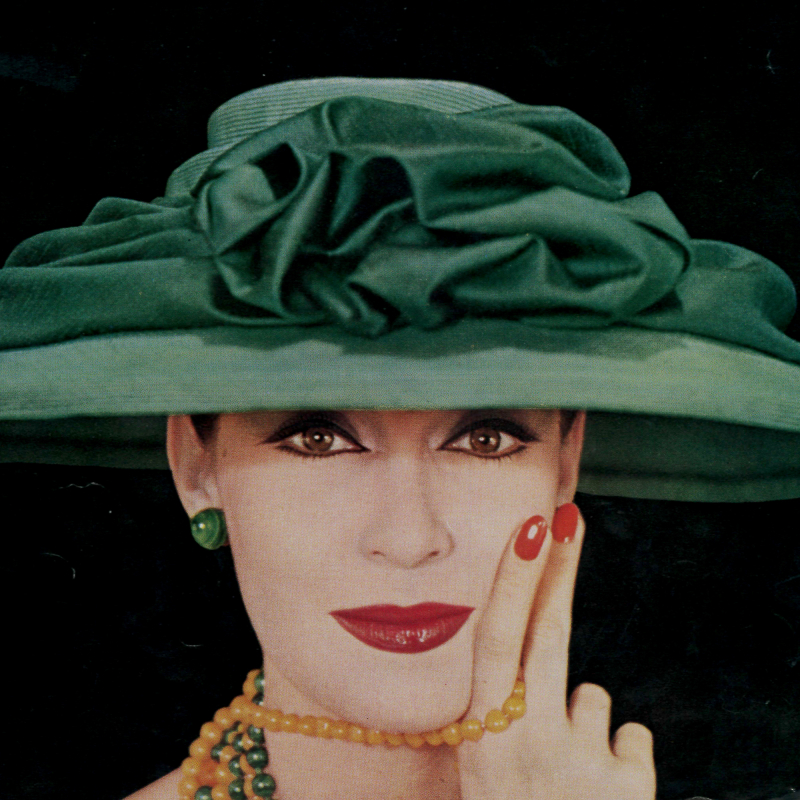
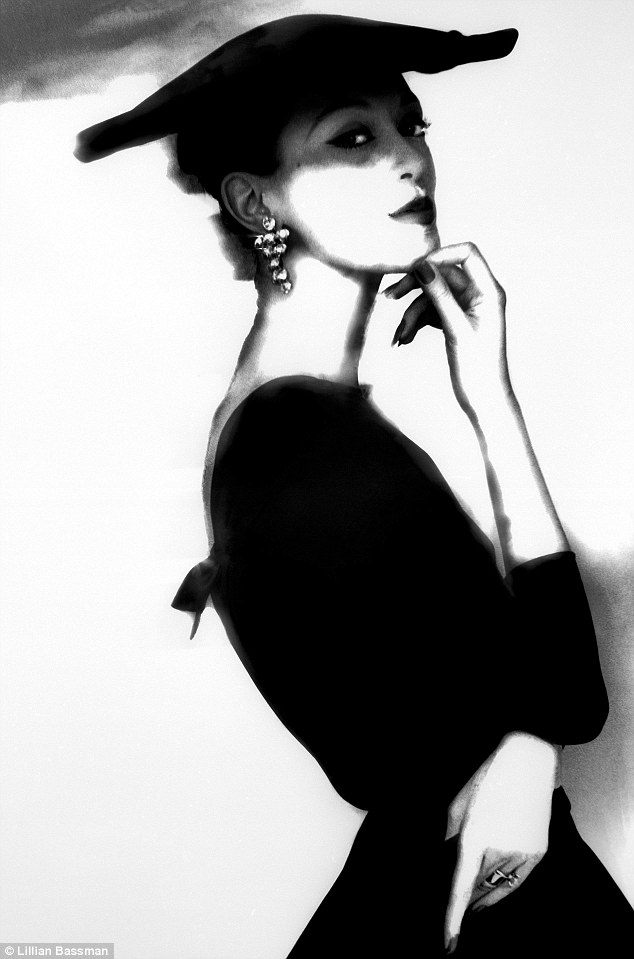
Barbara worked with all the major European and American photographers, and built a reputation for her versatility and ability to adapt to any of their demands – a different style for each job. Barbara posed as a suave Manhattanite for Francesco Scavullo, a swan for Lillian Bassman and a clown for William Klein. Her style was very hard to define. “You can’t recognise her from one photo to the next”, said Bassman.

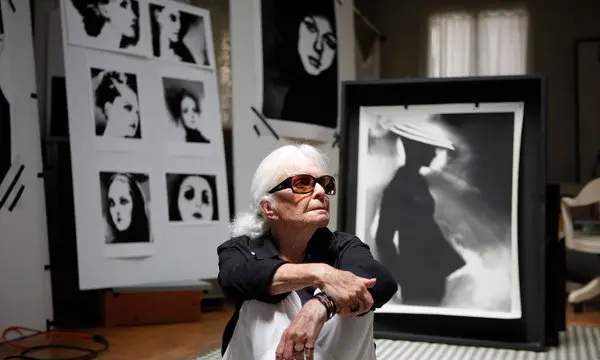
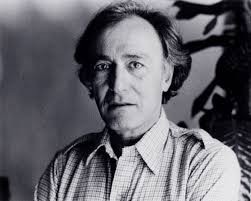
“In an era when models still did their own hair and make-up, Barbara proved to have a mastery for reinvention.”
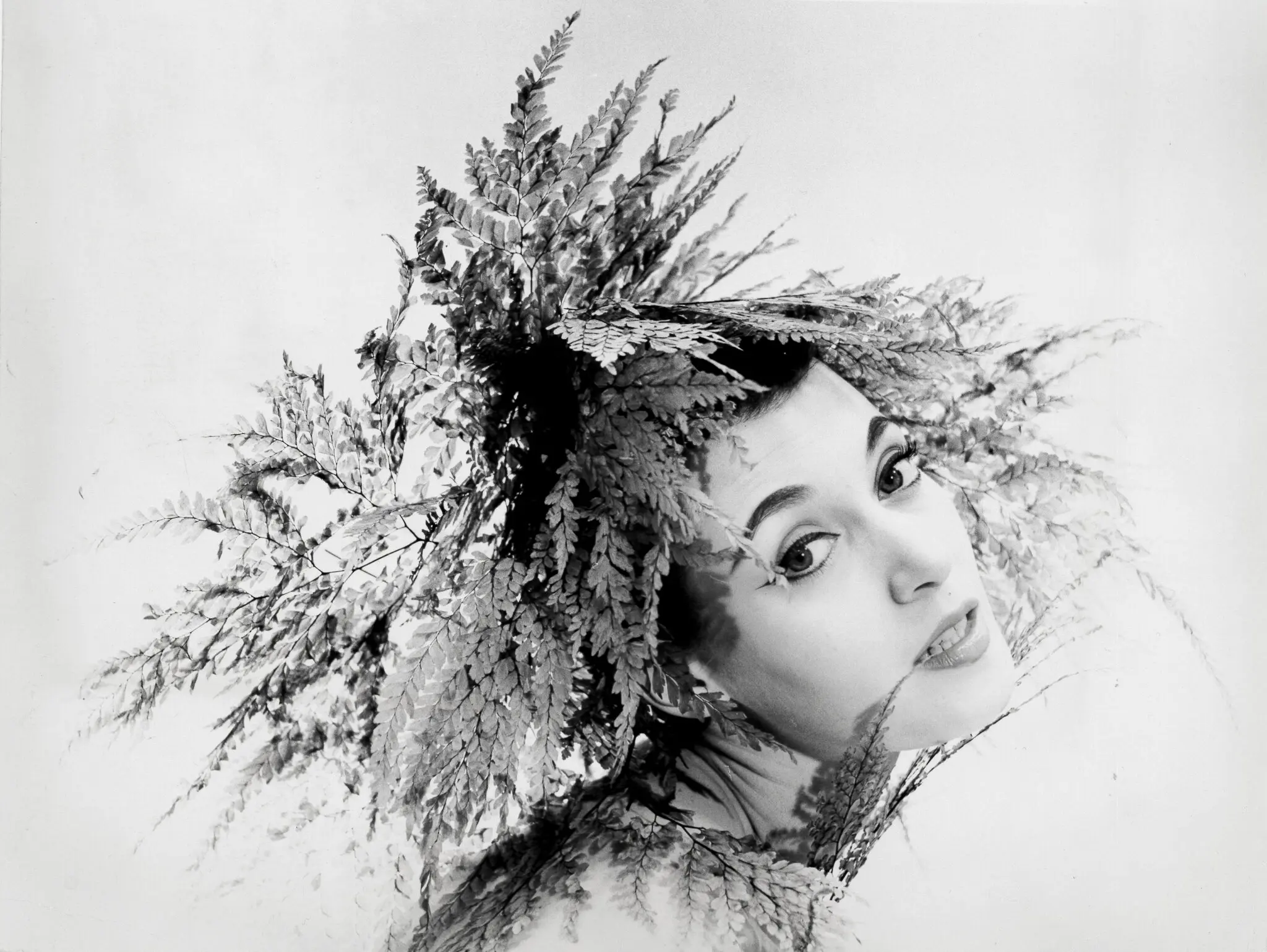
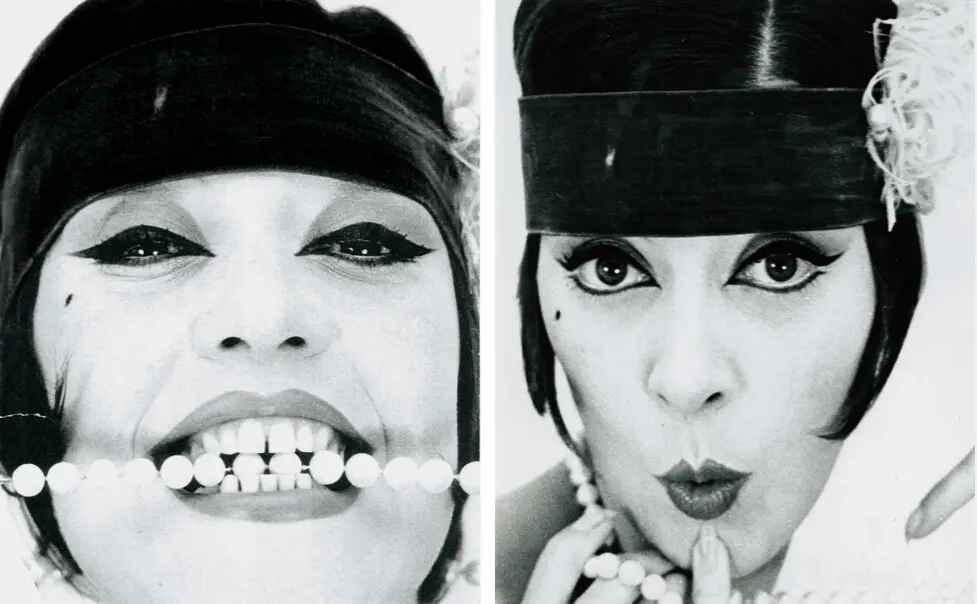
This was a total contrast to most models at the time, who tended to have their own signature look. Poise and being demure were the fashion of the 1940s and 1950s, and models were largely anonymous – unlike the supermodels of today.
Until the end of the 1950s, most models were sophisticated society girls whereas Barbara was working class with a different attitude. William Klein described her as, “A tough Irish-American living in Brooklyn – with a foul mouth – she was not at all well-bred.”
Barbara was long-limbed and always created a sense of movement. She was not considered a conventional beauty (in fact she thought she was not photogenic at all – “A beanpole figure and a gap-toothed smile”). She was a real contrast to the voluptuous Hollywood stars that were really popular at the time.
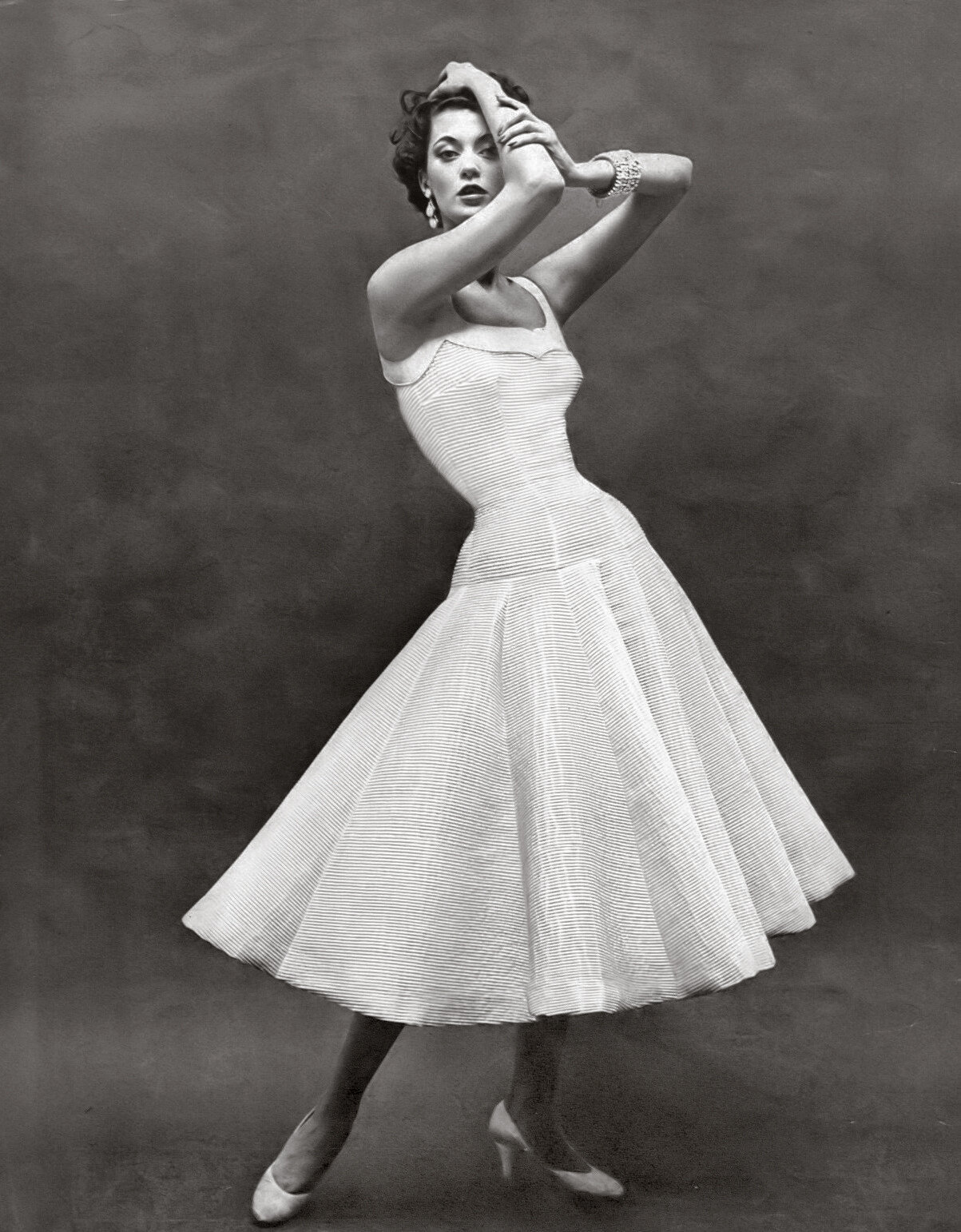
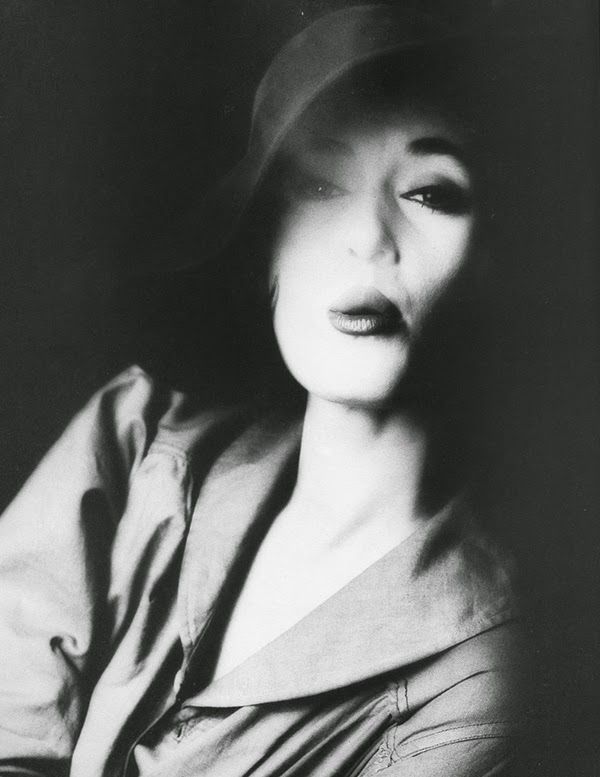
Jessica Daves, the editor at Vogue, described Barbara as having, “Eyes slightly too prominent…tiny head, long neck and a delicately elongated torso.” Nevertheless, Daves also called her, “A ready-made miracle.”
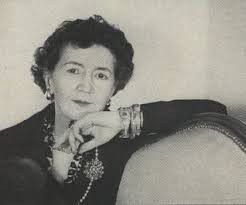
The editor of Harper’s Bazaar, Carmen Snow, was even more blunt. “You think you’re a beauty Barbara, but you’re really only a big, ugly Irish girl.”
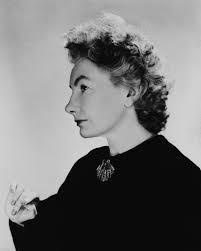
Barbara did impress photographer Lillian Bassman. The first time they worked together, Barbara stepped in at short notice when the contracted model failed to show up. Lillian always called her “The Replacement Girl”.
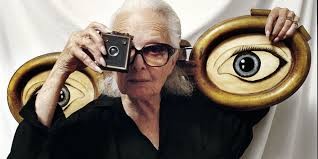
Lillian said, “Oh my God – this girl could never be a model but put her under the lights and she would just bloom.”
“There are models that are not models but muses. She had everything marvelous; a beautiful neck, grace and the ability to respond to me.” Lillian loved Barbara’s charm and mischievousness.
Her versatility allowed Barbara to have a career that lasted three decades – much longer than most of her contemporaries.
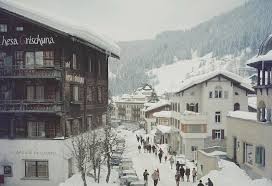
In the early 1960s, Barbara met and married Fredi Morel, a Swiss ski instructor who was twelve years her junior. They moved to the resort of Klosters in Switzerland.
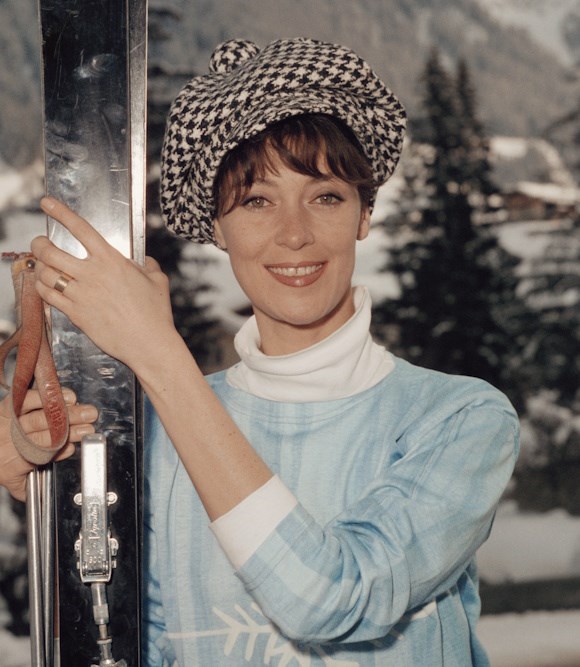
Barbara promptly retired. “Well, I couldn’t be a model forever.”
She opened her own boutique, ‘Barbara’s Bazar’, which supported new designers. She also modelled part-time and worked as a contributing editor to the Swiss magazine ‘Annabelle’.
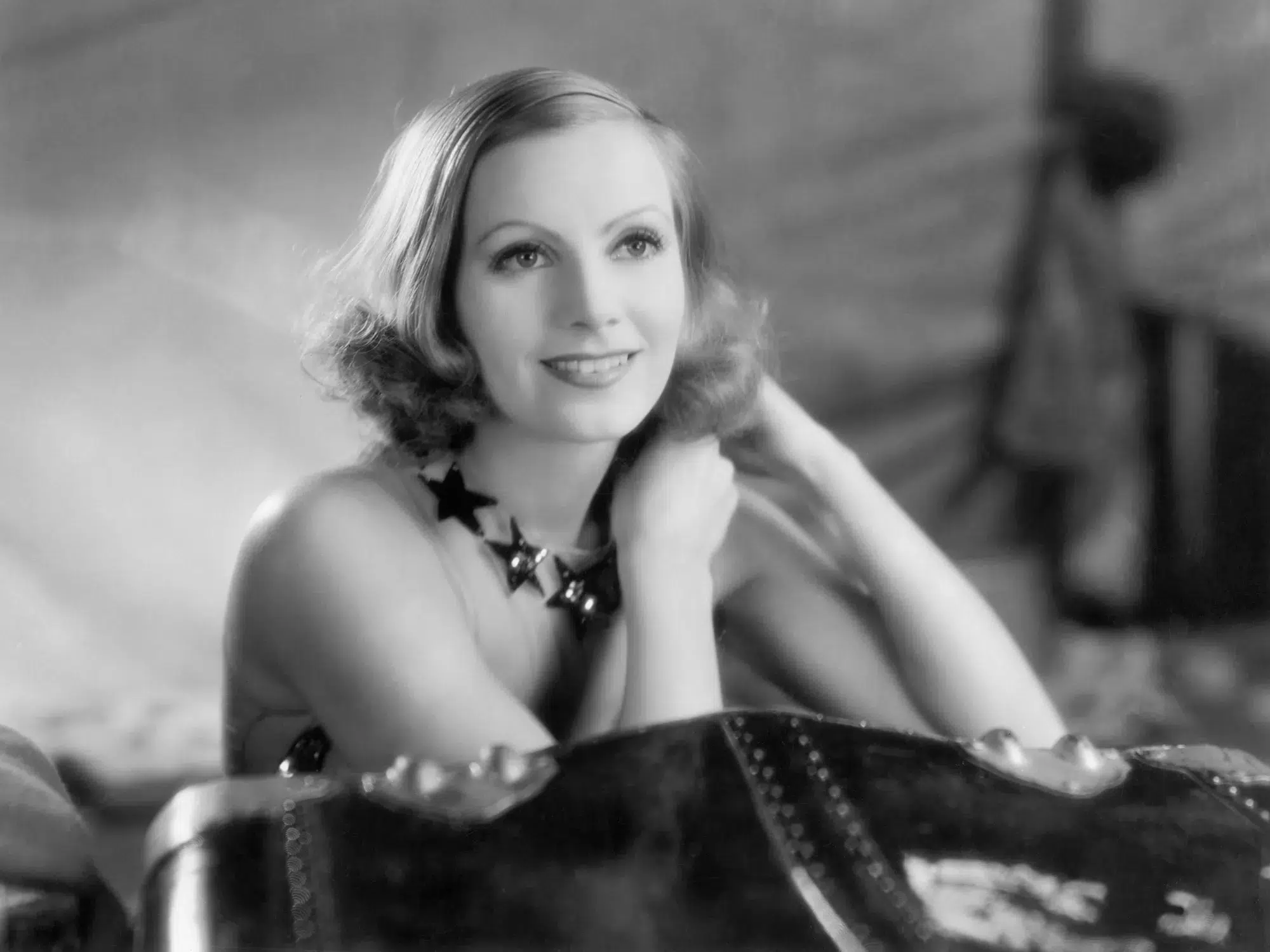
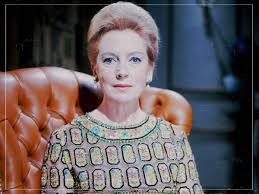
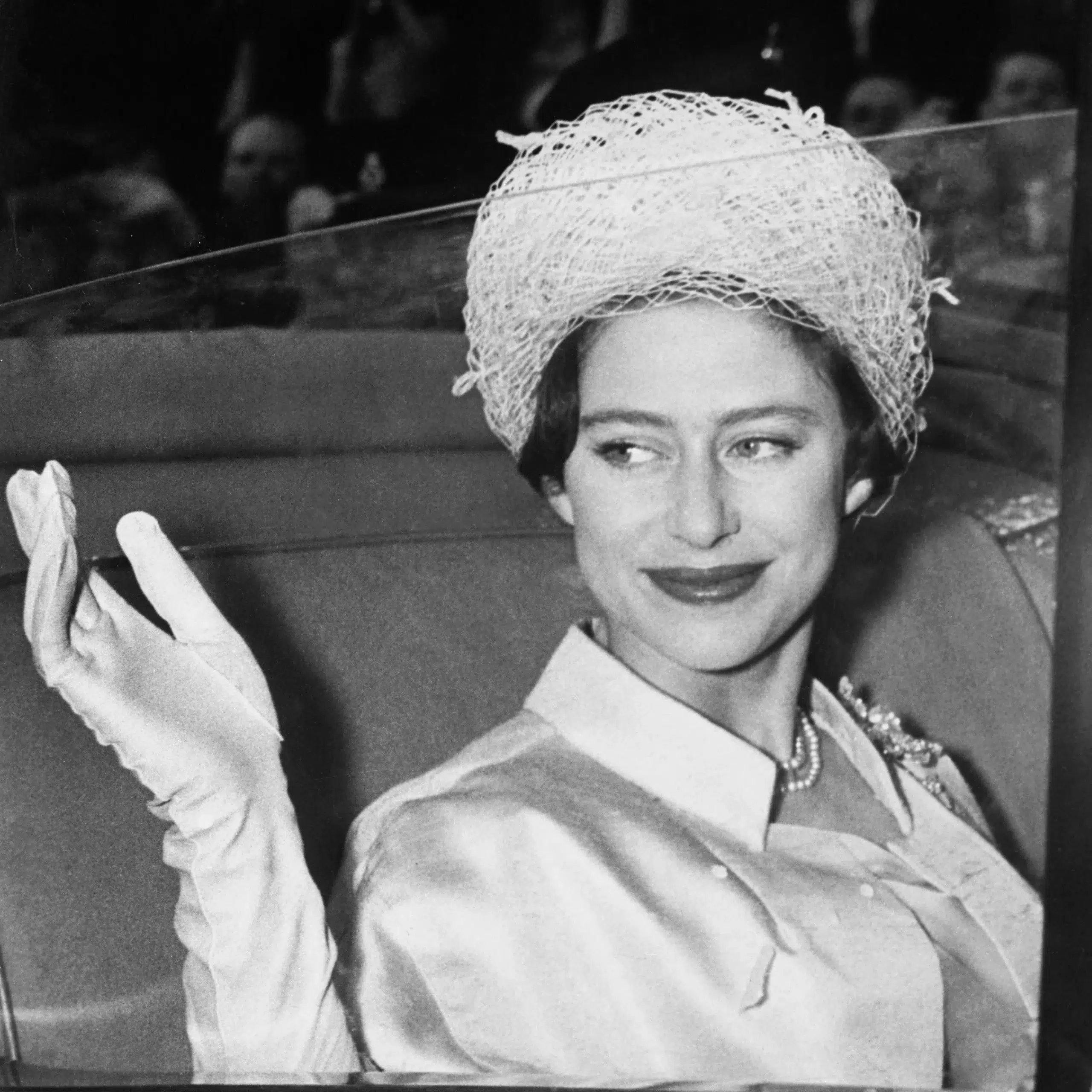
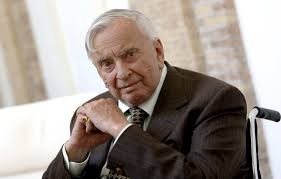
Barbara loved life in the skiing village and had a constant stream of guests, including Greta Garbo, Deborah Kerr, Princess Margaret and Gore Vidal.
In the 1970s, Fredi and Barbara moved to Zurich.
Barbara had almost been forgotten in the fashion world until she was ‘rediscovered’ on the Internet. Her pictures suddenly became popular again.
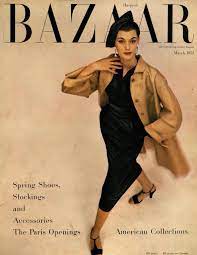
In 2017, Harper’s Bazaar put her image on the front cover of their 150th anniversary edition. As a native New Yorker, Barbara was thrilled that the same image was projected onto the Empire State building.
Barbara and Fredi relocated to the USA in 2019 and bought a home in New Mexico. Sadly, Fredi died soon afterwards.
Barbara liked talking about the past, but she was not sentimental about it. As she moved house often, she donated most of the ‘souvenirs’ from her career to museums. These included dresses, perfume and signed photographs. All she kept was a suitcase of press cuttings and a thank you note from Lillian Bassman which said, ‘To Barbara – the best of the best’.
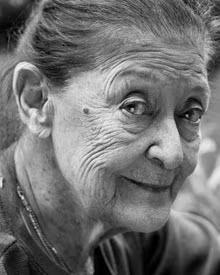
Barbara reflected on her own career. “We were ordinary girls, but you felt …elevated. Ordinary girls in wonderful clothes.”
“I moved well in front of the camera. My arms, my legs – I seemed to do anything when I moved with Lillian. It was like being free – It was like being in heaven.”
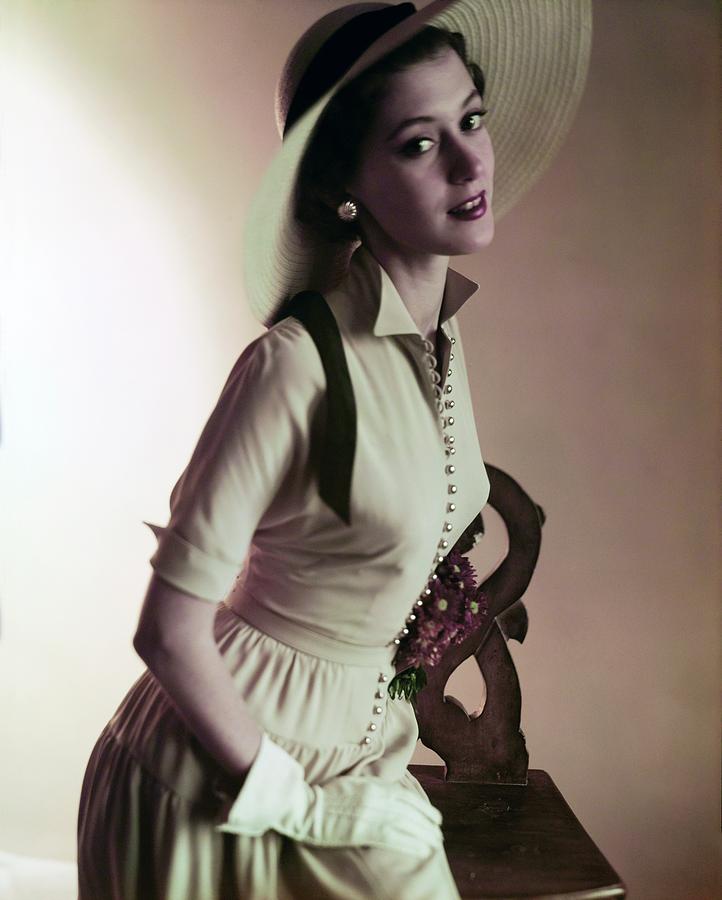
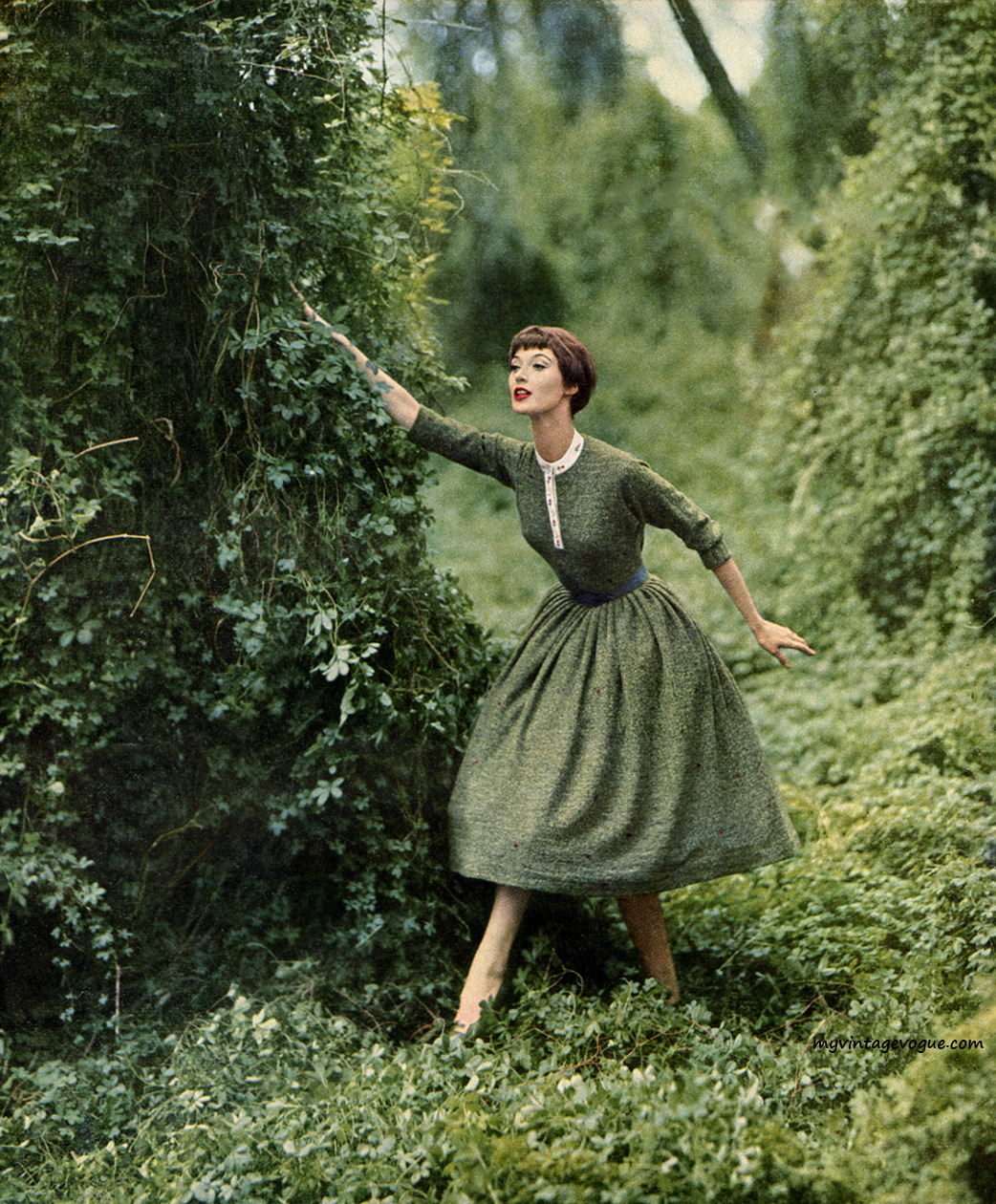
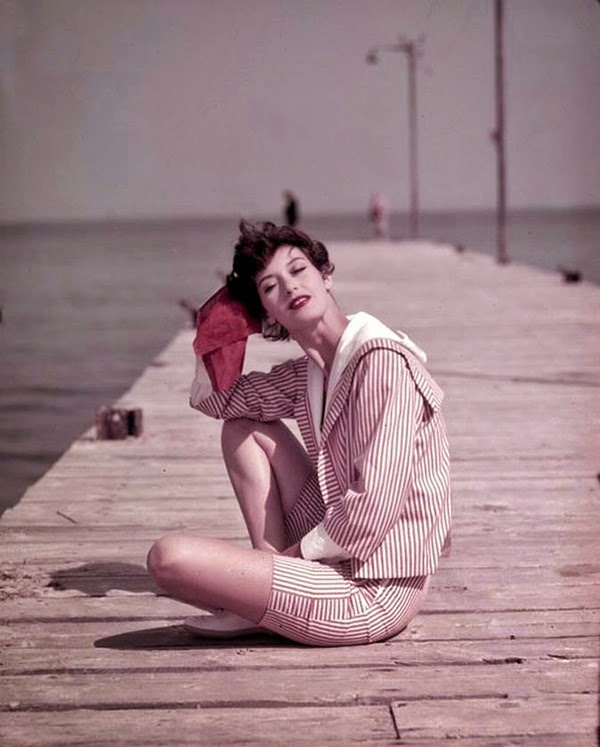
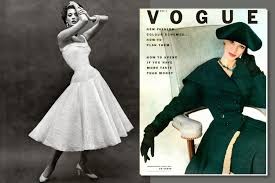
Barbara said she didn’t understand the modern world of fashion – too much flesh. “Is that sexy?”
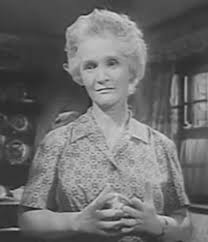
She was often confused with another Barbara Mullen – an American actress who appeared in the British television series, ‘Dr Finlay’s Casebook’.
RIP – Rediscovered Internet Photographs


