NIGHT AND FOG
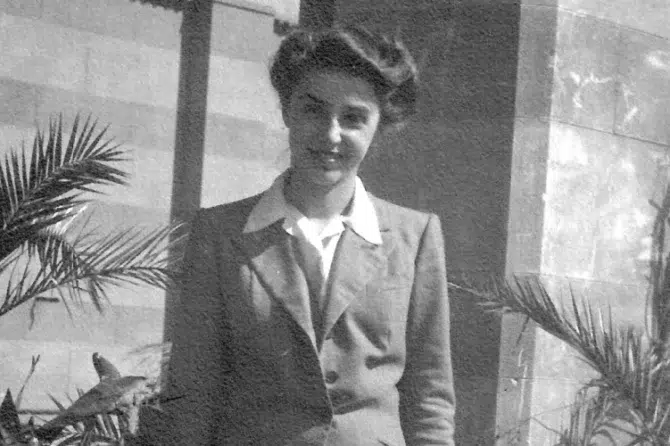
Born Andree Marie Dumon, in Brussels, she was always known to her family as ‘Dedee’. Her father, Eugene, was a doctor and her mother, Marie Plessix, was a nurse. Eugene had served on the frontline during the First World War.
Andree had a sister called Micheline (always known as ‘Michou’).
When Andree was six years old, her family moved to the Belgian Congo to work in medicine.
They eventually returned to Brussels so that both girls could train as nurses.
At the outbreak of war, Andree was just seventeen. She was infuriated by the capitulation of the Belgian army to the Nazis, just eighteen days after being invaded.
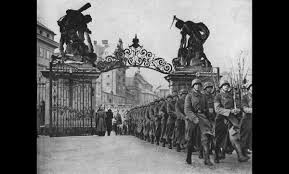
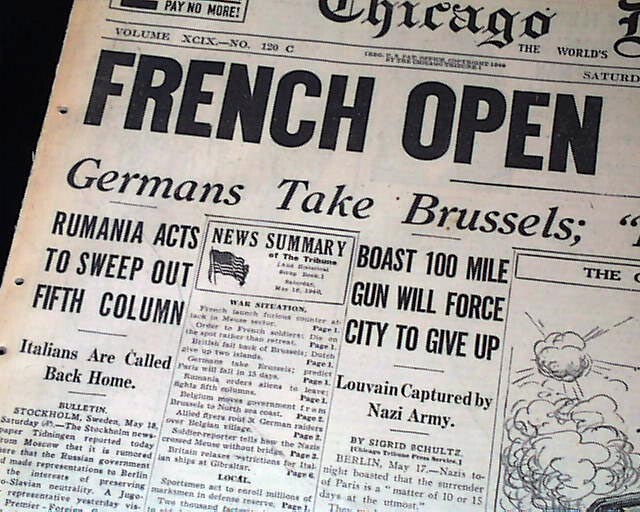
When the King told the Belgian people to surrender, Andree’s response was, “To lay down our weapons. Really?”
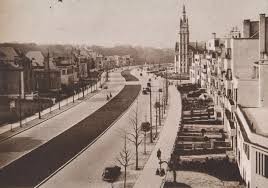
Andree was so angry she cut newspapers into a ‘V’ (“V for Victory”) and posted them through people’s doors. She also dropped them on the pavement, on what is now called Franklin D. Roosevelt Street. For six months, there was still paper Vs floating around.
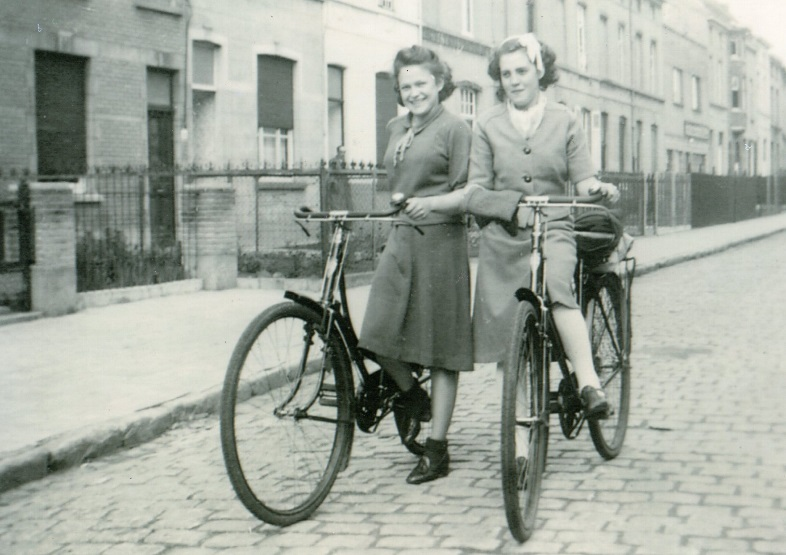
As Andree had a bike, her parents persuaded her to deliver anti-Nazi leaflets around the city.
By now, her parents were working with the Red Cross, ministering to wounded soldiers.
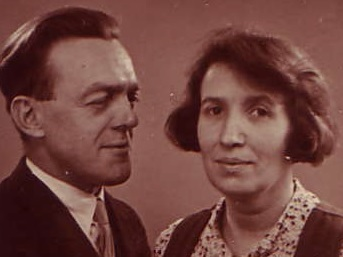
Her mother, Marie, had connections to a local headmaster called Frederic de Jongh. He was so outraged at the invasion that he decided to set up a branch of resistance.
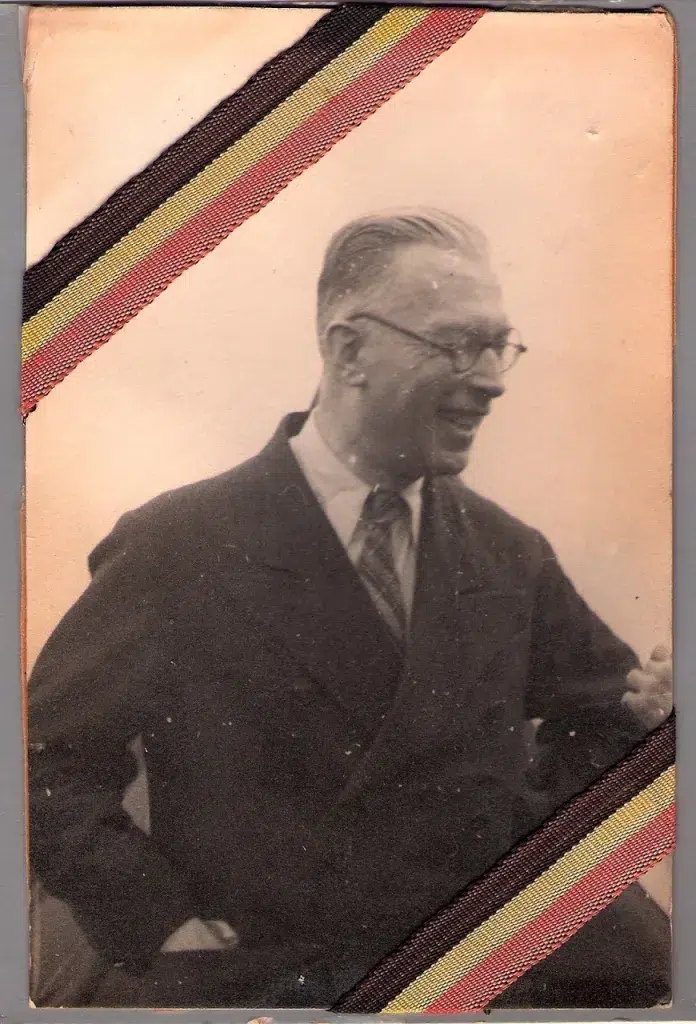
De Jongh called it ‘Reseau Comete’ (The Comet Line). Marie persuaded her husband, Eugene, and both daughters, Andree and Michou, to join – although she never became part of Comet herself.
De Jongh’s daughter, also called Andree, returned to Brussels to help her father run the Comet Line. To differentiate, ‘our’ Andree was given the codename ‘Nadine’. Her sister, Micheline, was given the name ‘Lily’.
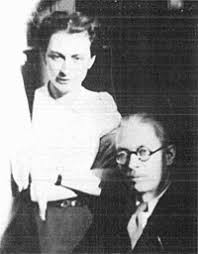
The two families, the Dumins and the De Jonghs, worked so closely together that they were almost intertwined.
Andree always called De Jongh, ‘Mr D-J’.
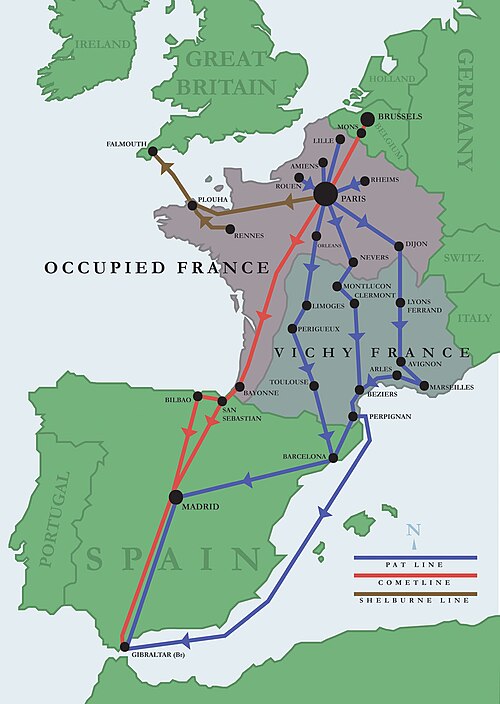
The aim of the Comet Line was to get Allied airmen that had been shot down, to safety in a neutral country. This also included soldiers separated from their units or anybody else in danger from the Nazis.
The Dumon family were asked to take in a military student. They hid him in their house before he was ‘moved on’.
Andree’s job was to find food, clothing and shelter for the escapees. She also sourced faked identity papers (ID) and organised any medical care that was needed.
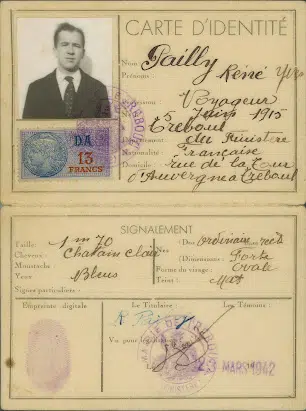
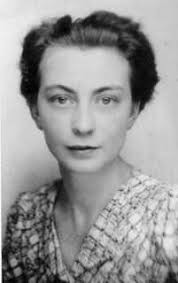
Andree was so adept at this that she was promoted to become a courier. Her first Allied airman was Sergeant Albert Day, an American serving with the Royal Canadian Airforce.
She drove him over the French border to Valenciennes – a dangerous mission. From there, Day was taken to Paris, down through France and he successfully escaped over the Pyrenees.
After that, Andree was given many more courier jobs. She was petite and looked younger than her years – exactly the type not to arouse suspicion.
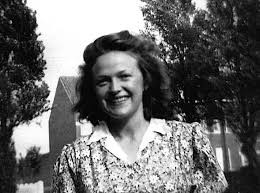
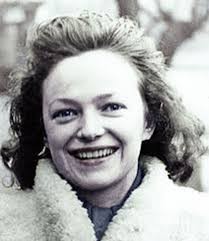
Andree was notable in that she showed no fear. “I was very happy to do something. I had no time to be afraid.”
She often had to impose her authority on the airmen, some of whom were officers, most of whom were not used to be ordered around by a woman. Andree called her escapees her ‘boys’.
Andree chose to ride third class in trains, assuming Nazis would want more luxury on a train.
On one occasion, her British airman said, “Sorry” out loud. Nobody in the carriage batted an eyelid.
Another time, she was invited to sit in a compartment with five Nazi officers. She felt she couldn’t refuse but found the journey excruciating.
If any of her boys were questioned by the Nazis, Andree pretended they were deaf and dumb.
The Nazis knew that some locals were helping the airmen and searched tirelessly. Mr. De Jongh was captured, imprisoned and ultimately executed.
His daughter, Andree, took over the running of the Comet Line, but the Nazis were never able to catch her.
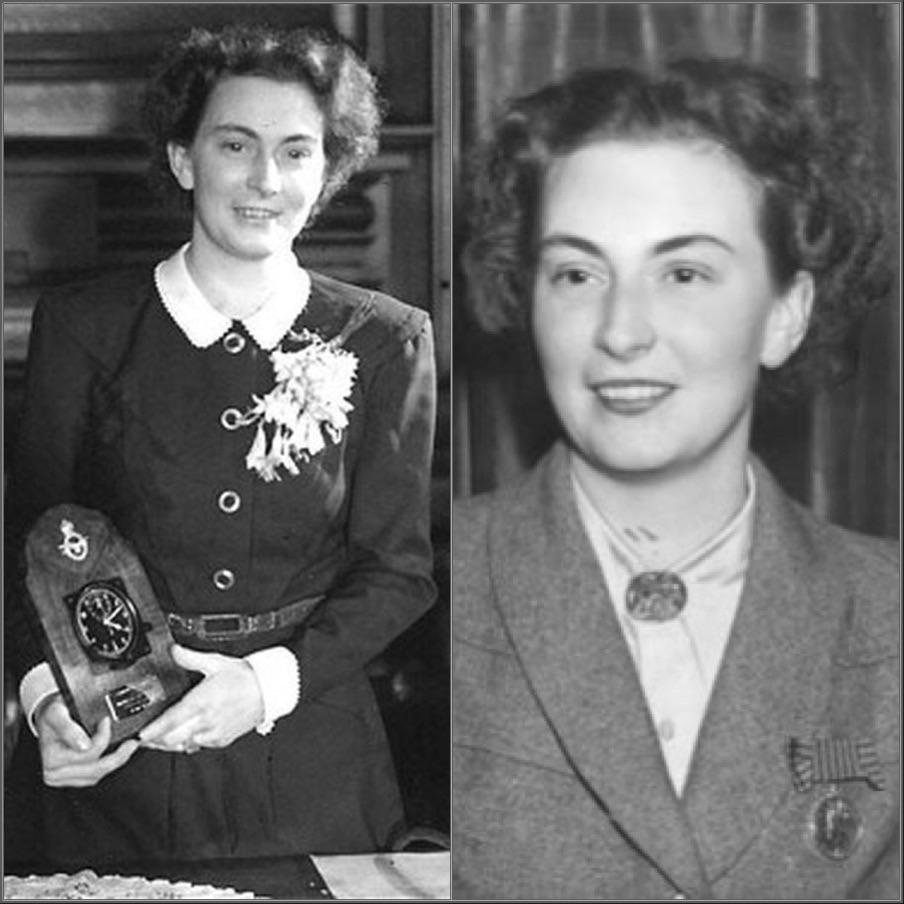
However, Andree’s (Nadine) luck ran out. A former Comet colleague betrayed many members to the Germans. There were seven hundred arrests (three hundred of whom were later killed).
This included most of the Dumon family.
The Gestapo arrived at their house at seven o’clock on the morning of 11th August 1942. Andree was still in her pyjamas.
Luckily, the Germans went to the wrong house – the next-door-neighbour’s, who just happened to be her grandparents.
Her grandfather shouted a warning which gave Andree time to get dressed. She tried to escape through the back door but ran into two armed soldiers.
Andree, her father Eugene and her mother, Marie, were all taken into captivity. Fortunately, her sister, Michou, had just popped out, so she wasn’t there. Amazingly, Eugene got a message to Michou telling her not to come home whilst the Gestapo were there.
As soon as the arrests were made and the family taken away, Michou slipped back into the house and destroyed any incriminating documents, prior to a full-scale search.
Immediately, Michou took over Andree’s role in the Comet Line.
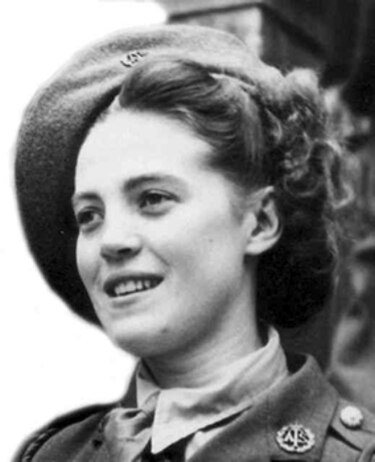
Andree was taken to prison where she was tortured and beaten – but she remained silent. “I was interrogated all of that day without food or water. They told me they would kill me unless I told them everything I knew”.
This went on for four days followed by ten days in solitary confinement, before the torture began again.
The Nazis thought, wrongly, that they had captured Andree de Jongh.
They only realised they had the wrong woman when the informer joined the interrogation. Andree was shocked to see it was Eugene Sterckmans, who had the codename Coco. The Comet Line had even smuggled his son out of Belgium.
Andree’s interrogation lasted for twelve months with the Gestapo interviewing her every day. During this time, she was transferred between five separate prisons. Still, she refused to talk.
Finally, Andree was transferred to Gross Strehlitz concentration camp. She was given the label ‘Nach Und Nebel’ (Night and Fog). This was an idea from Hitler. This classification meant the prisoner would just ‘disappear’.
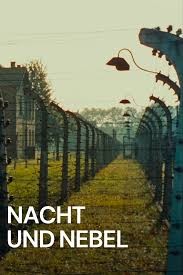
When Andree was put on the train, she found her father was also aboard – with the same classification. A guard allowed them to talk together. It was the last conversation they ever had.
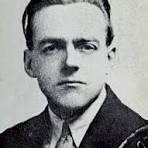
Her father was sent to Gross Rosen concentration camp where he was killed in 1944.
Unbeknown to Andree, her mother, Marie, was released from prison on the very day her daughter and husband were being transported away.
Around the same time, her sister, Michou, was betrayed to the Gestapo. The British MI9 (who worked closely with European resistance movements), spirited her out of Belgium, ironically via the Comet Line.
Michou fled to London and safety. It was just before D-Day, and she carried lots of information which was to prove extremely useful to the Allies when they invaded Normandy.
In the concentration camp, Andree met another friend from the Belgian resistance. Together, they managed to escape but were betrayed by a farmer and recaptured.
Andree was transferred to Ravensbruck camp where she contracted typhus.
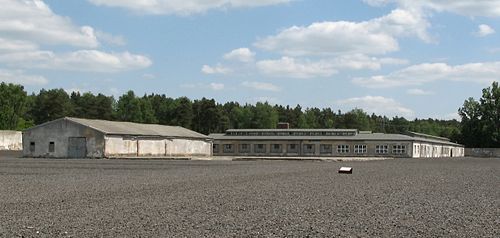
As the Russians pushed west, the prisoners were forced on a long march in atrocious winter weather conditions. This went on for four days, trudging through heavy snow. Andree found this extremely challenging.
A guard painted a K on her back. This stood for ‘Krank’ (sick). This was effectively a sentence of death.
When they reached Mauthausen concentration camp, Andree collapsed into a bank of snow. For the roll call, other prisoners held her up and a French soldier managed to erase the K from her back.
The camp was liberated by the Canadian Red Cross in April 1945. By now, Andree was extremely ill.
She was sent back to Belgium by train. Her mother, meeting Andree at Brussels Railway Station, did not recognise her.
Andree was delighted to learn that her sister had not only survived the war but had married Pierre Ugeux, a Special Operations Executive (SOE) member.
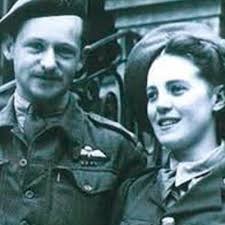
It took Andree a long time to recover – two years before she could walk again.
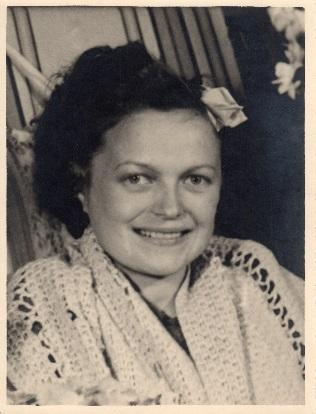
Andree received a letter from one of the men she had saved, Les Baveystock. He was Australian and invited her to his home to help with her recuperation. Andree went to Australia for six months.
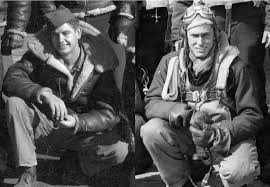
On her return, Andree married Gustave Antoine, another former member of the Belgian Resistance. They would have two children.
She was given the rank of Lieutenant in the Belgian army, which entitled her to an army pension.
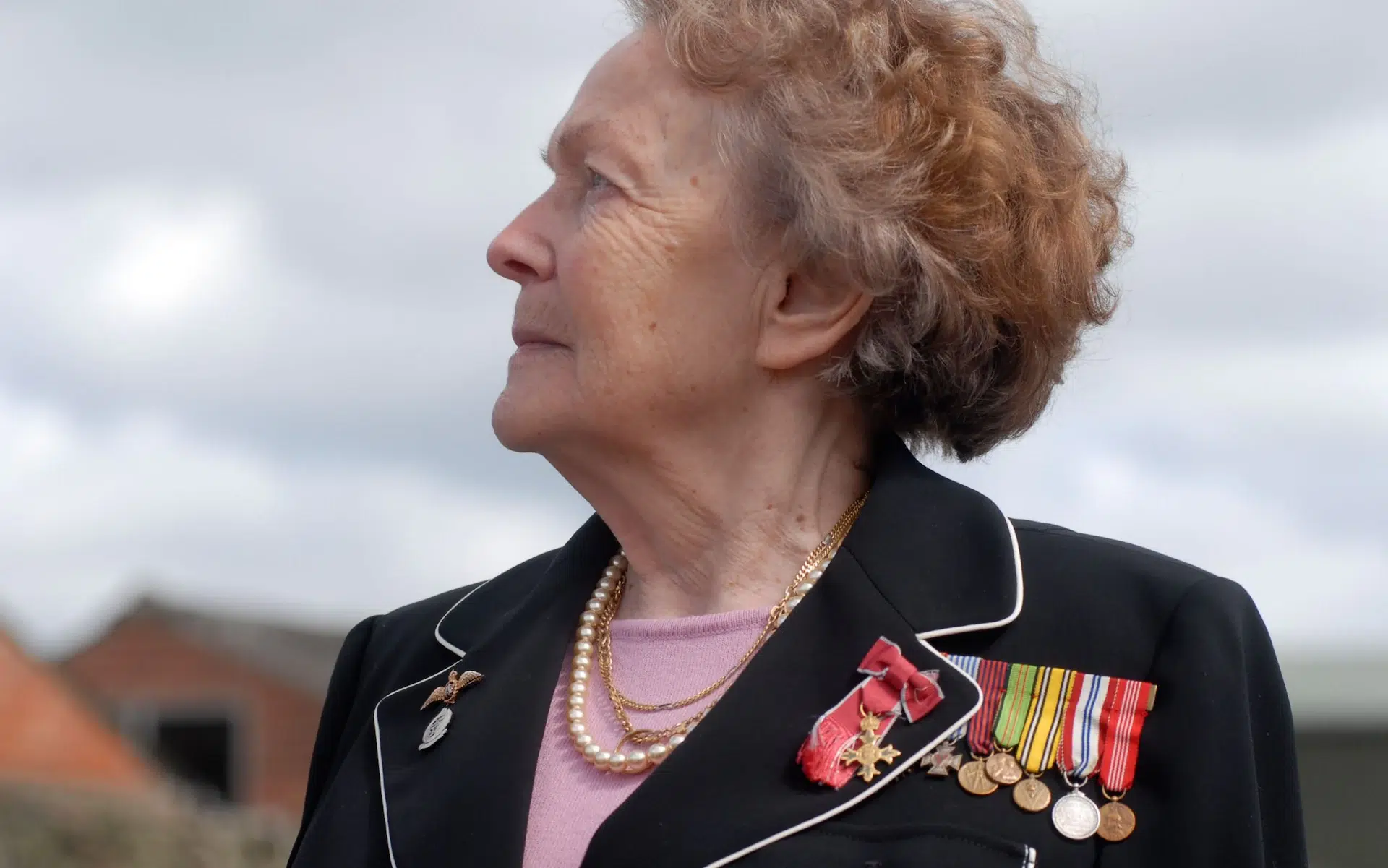
Andree received the very highest Belgian awards as well as an honorary OBE by the British and the US Medal of Freedom – all in recognition of the work of the Comet Line.
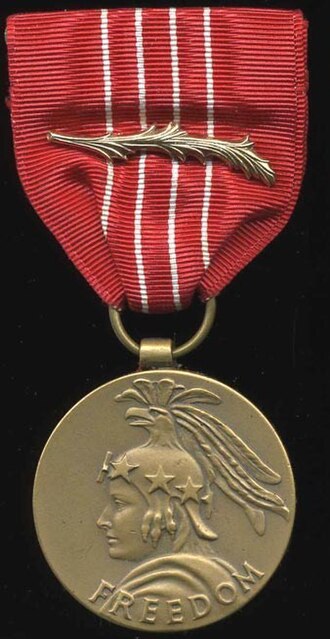
It is estimated that Comet saved 800 airmen, 300 soldiers and countless others throughout the war.
Andree kept a low profile after the war and consequently was one of the lesser-known members of the Comet Line. Her sister, Michou, was awarded the George Cross by the British.
Andree and Gustave created their own successful textile company, making, “Beautiful refined clothing.”
She also founded the RUSRA KUIAD (Society of Belgian Resistance), to help survivors and those Comet Line members whose children had been orphaned. They initially met in her house.
Andree also campaigned to ensure women resistance members had the same status as men.
She also organised annual Comet reunions and went to every RAF Escaping Society function held in London (until they stopped in 1995).
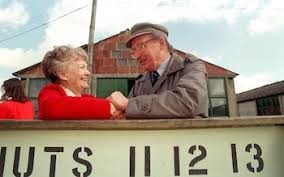
Most of the ‘boys’ that she had saved contacted her after the war – and they kept in touch.
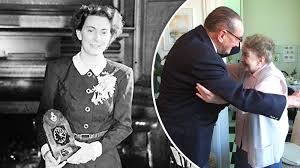
In her seventies, Andree started to give talks in schools, libraries and other institutions. She also became a director at the Belgian Intelligence Studies Centre.
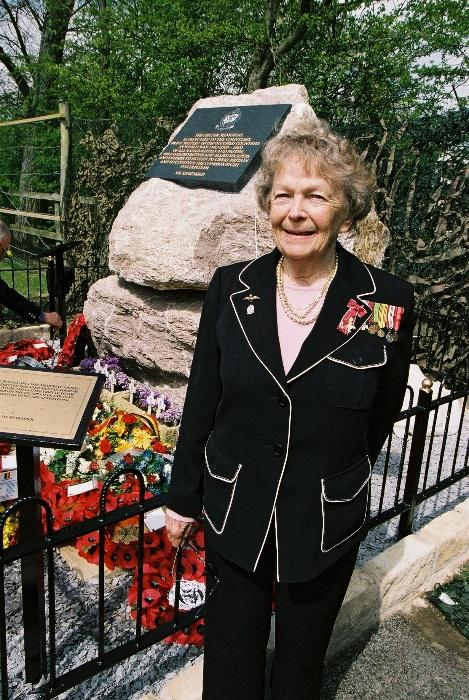
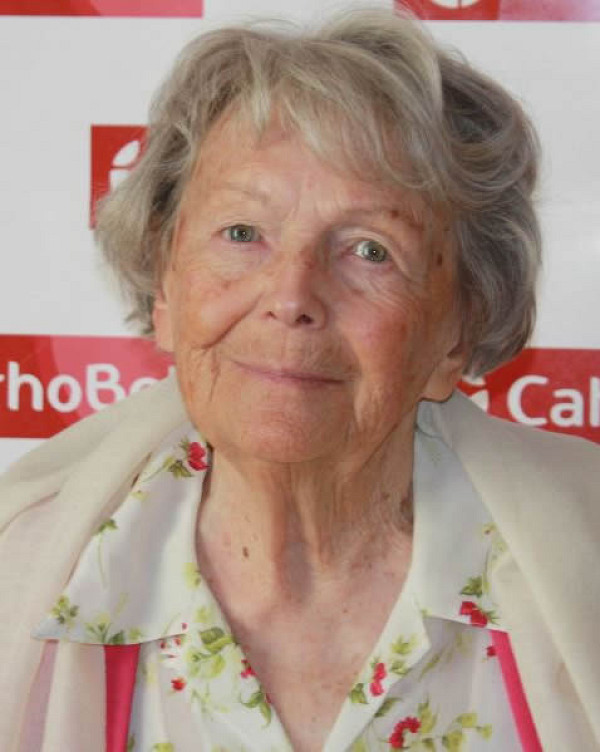
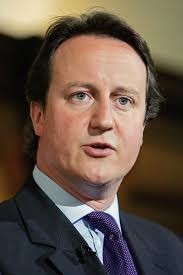
She met the Duke of Edinburgh, the then British Prime Minister, David Cameron, and French President, Nicolas Sarkozy.
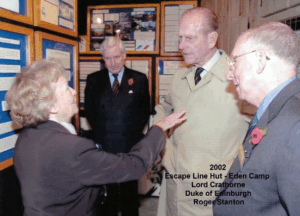

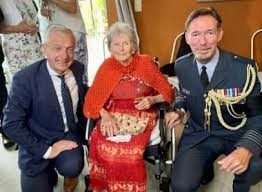
With Michou, Andree opened an extension to the RAF Escaping Society Museum in East Kirby, Lincolnshire.
Michou died in 2017.
Andree lived all her life in the very same house in which she had been arrested.
Aged one hundred, she published her memoirs, entitled ‘I Have Not Forgotten You’. It detailed not just her resistance work but her time in the concentration camps.
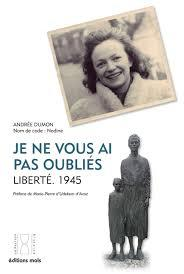
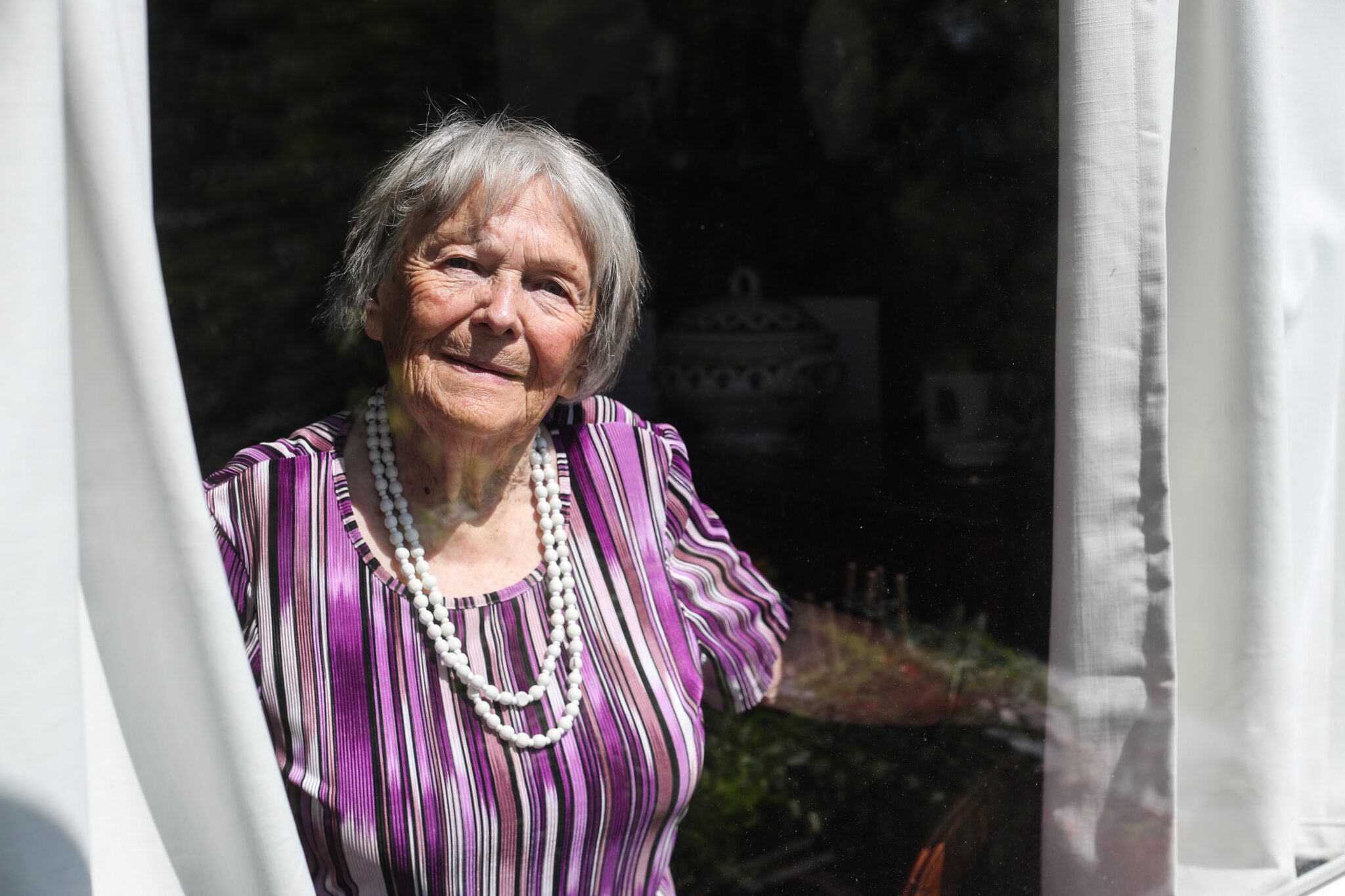
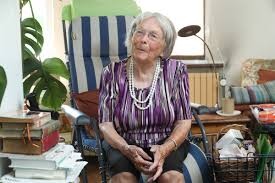
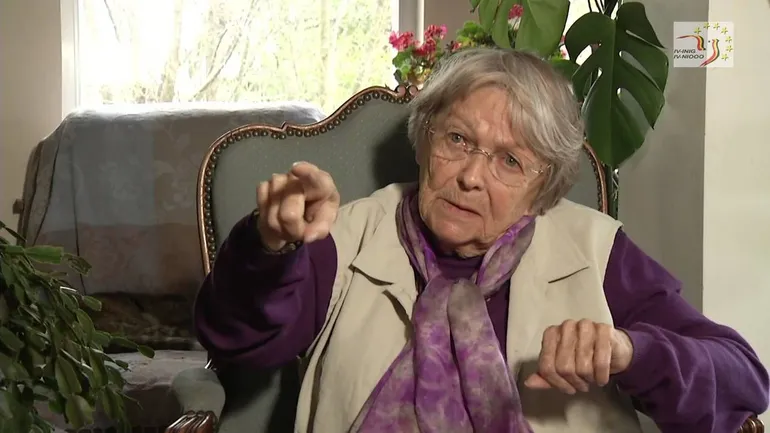
Andree was also interviewed in a 2004 Belgian television documentary about the Comet Line. She berated herself – “I should have done more.”
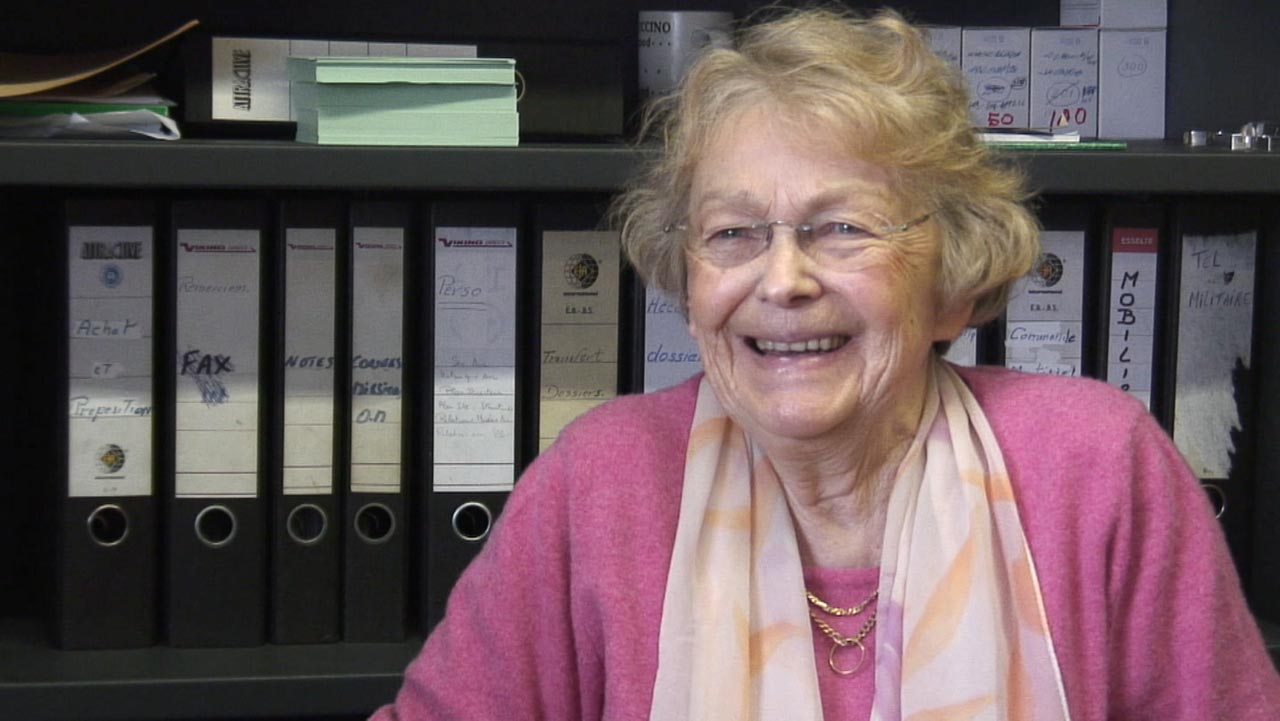
She also said it was important to spread the word about, “Peace, freedom and democracy.”
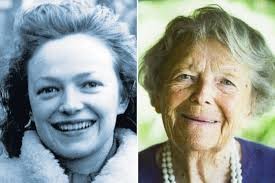
Andree died at Nivelles aged one hundred and two.
The oration at her funeral said she had, “The body of a sparrow but the heart of a lion.” She was also remembered for her, “Sense of duty and incredible positivity.”
The RAF sent a tribute – ‘A woman of extraordinary strength and determination who stood in the face of danger and didn’t waver. To the men she led to safety she was more than just a guide, she was a saviour and a beacon of hope in their darkest hour.’
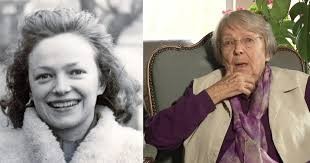
RIP – Resistor Interrogated (in) Prison