
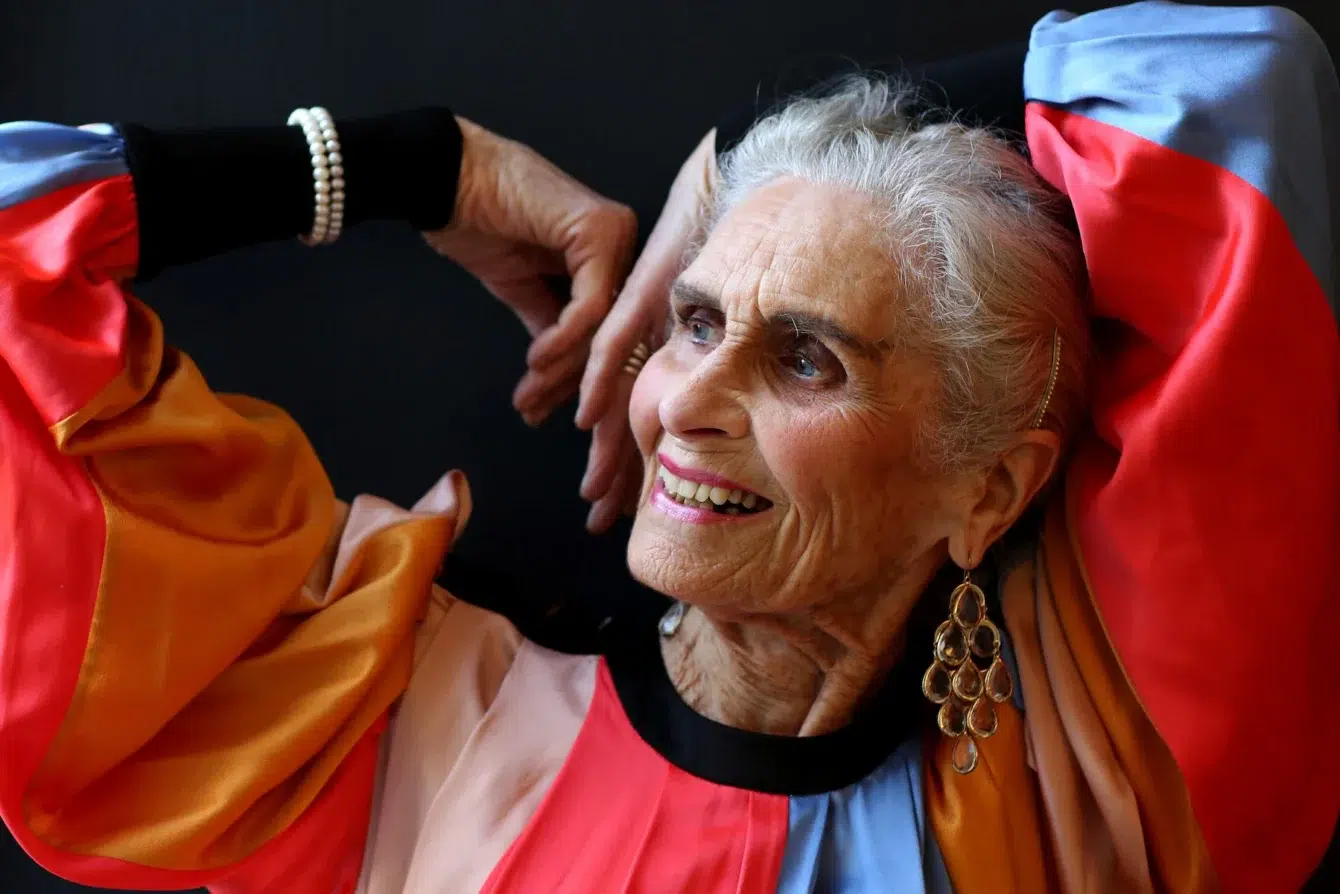
“I NEVER WEAR BEIGE”
Born in London, Daphne was an only child. Her father was Francis Selfe, a schoolteacher in a prep school.
Her mother, Irene Garraway, was fifteen years younger than her husband.
Irene was a great society beauty, whose admirers included Guglielmo Marconi, the man who invented the radio.

When they married, Francis and Irene lived in a large Victorian house in London. Sir Ernest Shackleton was their next-door-neighbour and he often dropped in for tea. On the other side lived Sir Malcolm McAlpine, the building magnate.

In 1931, during the Great Depression, the family lost all their money and were forced to move to a small flat in Muswell Hill. Daphne said, “When things don’t go your way, it’s fine. It toughens you up.”
When Daphne was just four, a film-director approached her parents, asking if he could put her in movies – to become an English Shirley Temple. Her parents refused.

However, Daphne loved dressing up and play acting. Her mother designed and made all the outfits for her games. “Make do and mend has never done me any harm.”
Daphne remembered that her mother, Irene, never wore trousers – and didn’t approve of other women in them – “Except for the south of France set.” Daphne was only allowed to wear them because she was in a dance group and had to, “toe the line.”
Aged eight, Daphne was sent to a boarding school in Weston-super-Mare, followed by a school in Berkshire.
At the latter, Daphne learned to ride horses, being taught by Victor Francis (the father of jockey and author, Dick). When she left school, qualified as a riding instructor.
Daphne also took ballet lessons, becoming an accomplished dancer.
She took a job as a sales assistant in the women’s clothing department of Heelas in Reading (now a John Lewis department store).
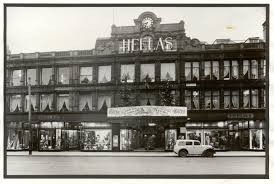
Post-war, despite austerity, fashions were beginning to change. Christian Dior’s ‘New Look’ was becoming popular, and flared skirts, clinched waists and longer hemlines were in vogue.
There was still clothes rationing but most of the clientele in the shop were wealthy and could afford to buy new clothes. Daphne was inspired by them, loving the extravagance and obsession with colour of these women.
She bought herself a pair of leather gloves as a reward for passing her driving test.
Daphne was first approached to be a model in 1949, winning a competition to be on the front cover of the Reading and Berkshire Review.

She was considered an ideal model because of her slim figure, prominent cheekbones and long neck.


Daphne’s reward for winning the competition was a three-week course at a modelling school. The girls practiced walking the catwalk with a book on their heads.
They were taught general deportment, good manners and how to get in and out of a sports car – “Without showing your knickers.”
However, being a model wasn’t easy at the time. There was little colour photography and the women were expected to do their own hair and make-up. Many of them worked in department stores – just like Daphne.


After her appearance in the Reading Review, Daphne was recruited by Gaby Young’s agency in London. She became a regular on the catwalk and was the house model for the furriers, L. Woolf.
“I wore fur, made tea, did some of the books and was sent to have my hair and nails done.”

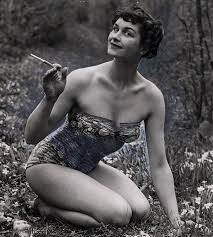
Eventually, Daphne left the agency (and L.Woolf) and went freelance. She modelled many products, including hats, gin, beer, biscuits and bacon.

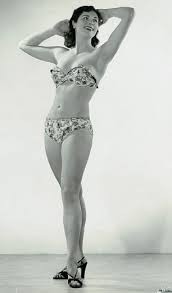
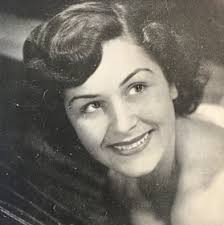
She also modelled for a number of art schools and posed for the famous sculptor, Barbara Hepworth (who drew her in blue and red chalk).

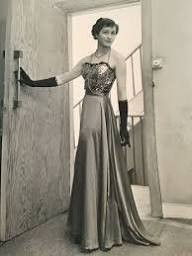
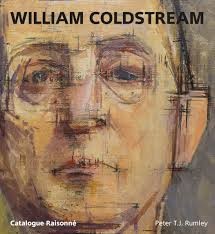
At the Slade School of Art, Daphne was painted by the principal, William Coldstream.


Daphne also appeared in theatre productions, and it was there that she met her husband, Jim Smith, who was a lighting director and stage manager. They were married in 1954.

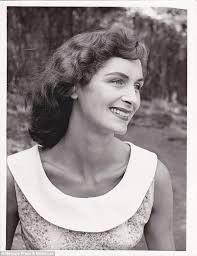
At this time, women were expected to give up their career when they married, and Daphne was no exception. The couple moved to the village of Kimpton in Buckinghamshire and had three children: Mark (who became a stockbroker), Claire (a skydiver turned carpenter) and Rose (a costume designer).
Daphne took up dressmaking but still made occasional appearances as a film extra and in the occasional advert (Kellogg’s Corn Flakes and corsets).


Daphne also took a City and Guilds Course in fashion.
As the children grew older, Daphne considered a return to modelling but by now her ‘look’ was out of fashion, being replaced by models such as Twiggy and Jean Shrimpton. Daphne was self-deprecating when she described herself as a “big, strappy horsey girl.”


By now, her husband, Jim, was a producer at ATV.

Daphne took a job as ‘Miss Dannimac’, modelling the company’s clothes in large department stores (They produce high quality ‘outerwear’ such as coats). She was particularly busy at Christmas time, working in various shops, enticing people to buy the product with offerings of free cheese and wine.

By the 1980s, in-store modelling had died out, and Daphne was out of work once more.
She started work as a television extra, appearing in, amongst others, General Hospital, The Benny Hill Show and Dr Who – as well as several costume dramas. She also appeared in the James Bond films, ‘Octopussy’ and ‘A View to a Kill’.


Daphne stopped dying her hair on her sixtieth birthday.
In 1993, Jim and Daphne moved to the town of Baldock in Hertfordshire. Shortly afterwards, Jim fell ill with a number of strokes and Daphne became his full-time carer.
Jim, died four years later. “He just went kind of funny and fell on the floor.”
Daphne was devastated by his death. “When you have shared your life with someone for forty years, the loss is so great that it feels as though your whole life has disappeared.”
The following year, Daphne got her big break. It was ten years since she had last worked as a model.
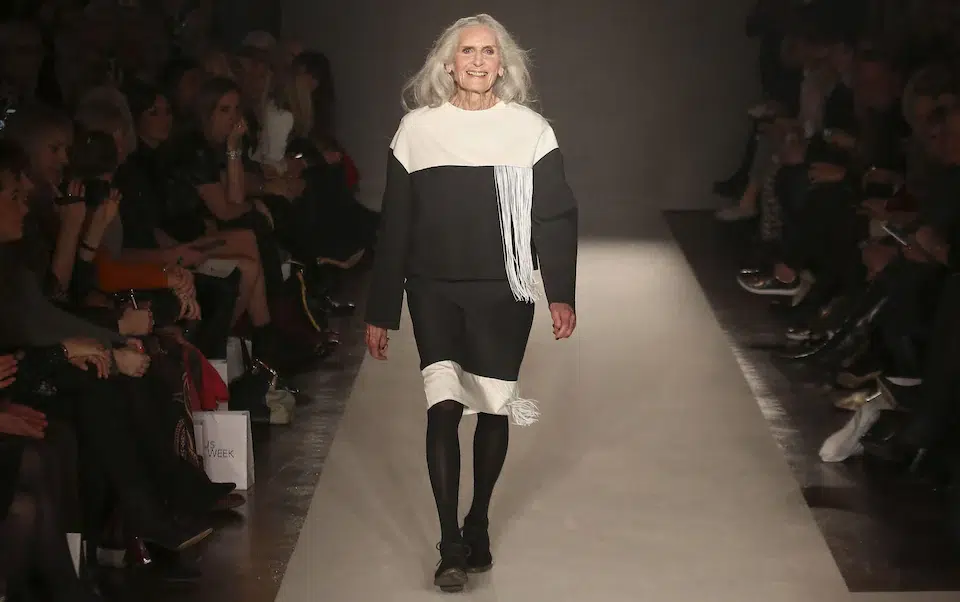
Her agent booked her to work for the design company ‘Red or Dead’ at the London Fashion Week. “I thought it might stop me moping.”
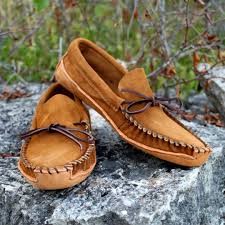
Daphne was selected to model a collection with a Native American theme. She admitted her technique was a little rusty. “I clomped down the catwalk in a pair of moccasins.” Nevertheless, she stole the show.
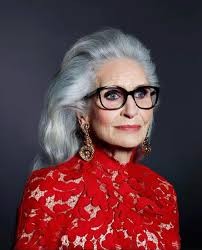
Her career took off. She was seventy years old.
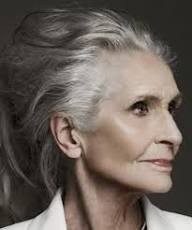
The magazine Vogue approached her for a feature they were doing on growing old gracefully – and this led to Daphne gaining international recognition.
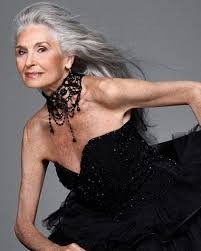

She was signed up by the agency Models1, and did catwalks for DKNY and TK Maxx.
Daphne was photographed by David Bailey, Nick Knight and Mario Testini.
Daphne always kept herself extremely fit and was a great advocate of yoga. She ate lots of vegetables (“Always keep some broccoli in the fridge) and drank plenty of water – but admitted the occasional slice of cake and glass of champagne were most enjoyable.

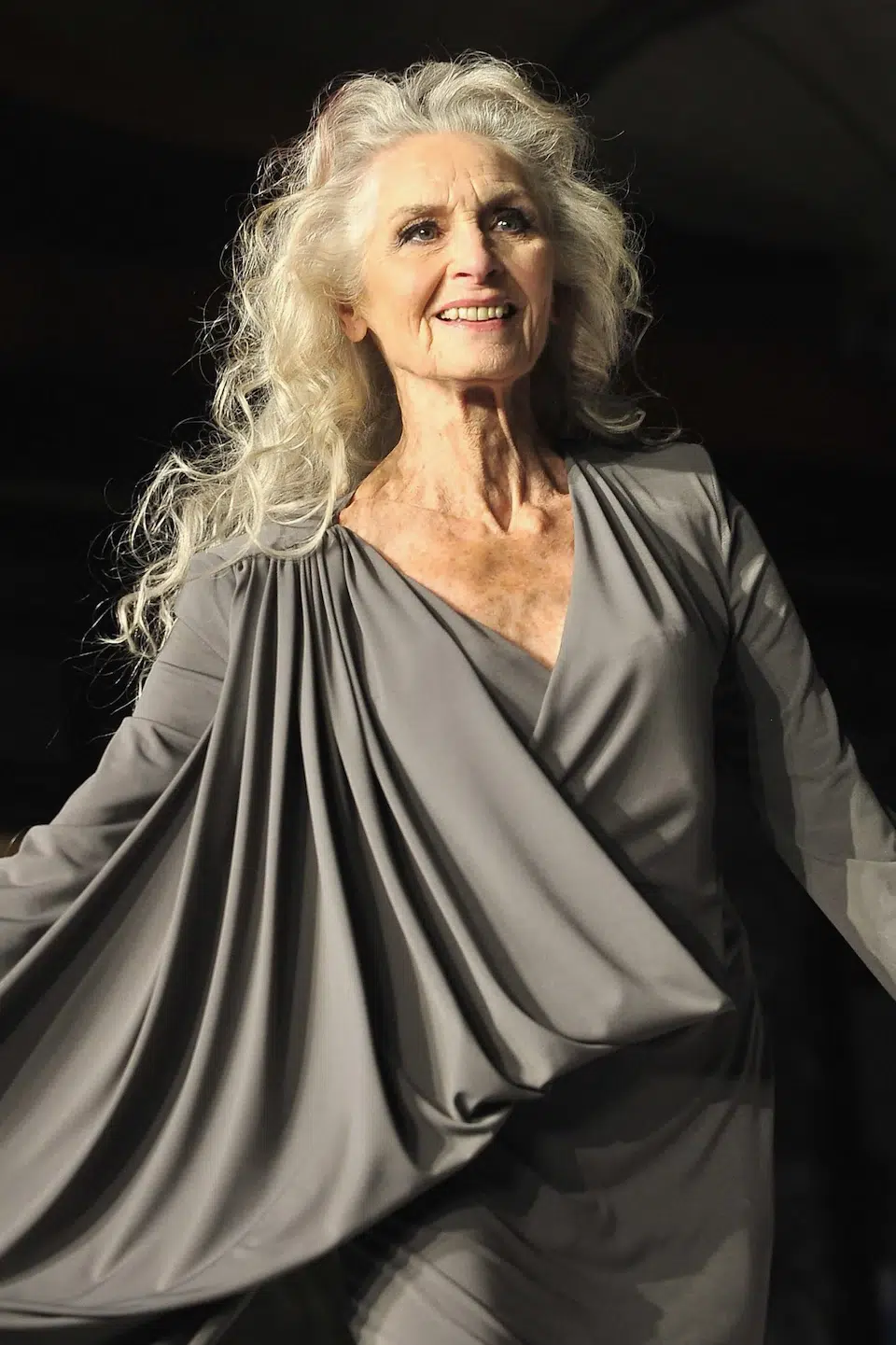
Daphne filled her spare time with walking, gardening and crafting (painting, upholstery and dressmaking). She admitted she could not bear to sit still. “Half the business of looking good is eating properly, taking exercise, thinking good thoughts and being curious and positive.”

Daphne hated some of the modern short-cuts that younger models took – such as facelifts or Botox. “I would not put poison on my face.” Her advice to others was, “You are who you are – get on with it.”
Discussing young models, Daphne said, “They all look so sullen now… Why is it they all look so miserable? I always enjoy it, and you should look pleasant.”

Daphne added, “A smile is as good as a facelift”, or as she sometimes said, “A big smile is better than Botox.”

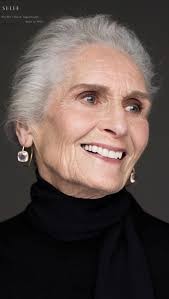
She also appeared in the magazines Harpers & Queen, Vanity Fair and Tatler, and modelled Dolce and Gabbana for Vogue China.


She also modelled underwear for an Oxfam donation campaign, wearing the corsets designed by Jean Paul Gaultier for Madonna’s ‘Blonde Ambition’ tour. During the shoot, she thought, “What am I doing being photographed in a corset? I’m eighty three years old.”


Daphne continued to appear in adverts including one of Olay, based on her ability to hold a yoga pose. For an insurance advert she took great pleasure in throwing furniture out of a window.
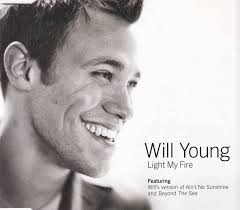
She also appeared in a Paul McCartney video and in one for Will Young’s single, Light My Fire’.

Daphne was also the face of the Dare to Wear fashion campaign held at the Trafford Centre in Manchester.
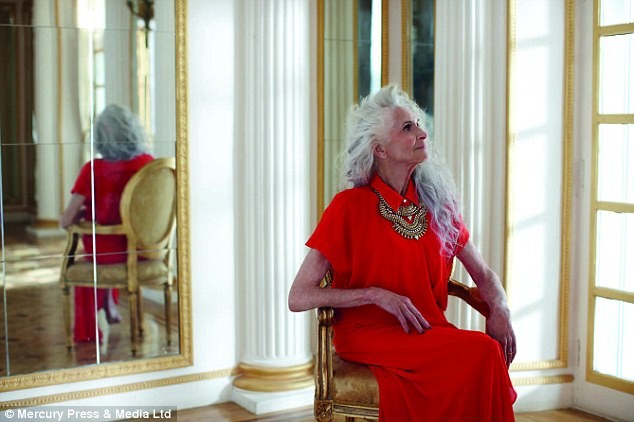

In her eighties, she was travelling all around the world and in 2015 was included in the Guinness Book of World Records as the “Oldest working professional model” – a label she hated.
She set up the Daphne Selfe Academy with her daughter, giving six-week on-line training for young, aspiring models, “Or those who get to forty or fifty and suddenly feel invisible in the fashion world.”

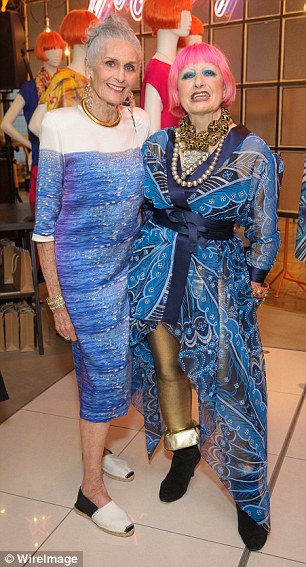
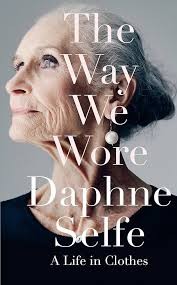
Daphne wrote her autobiography entitled, ‘The Way We Wore’. She also appeared in the book edited by Sue Bourne, called ‘Fabulous Fashionistas’, about five women who refused to accept aging.
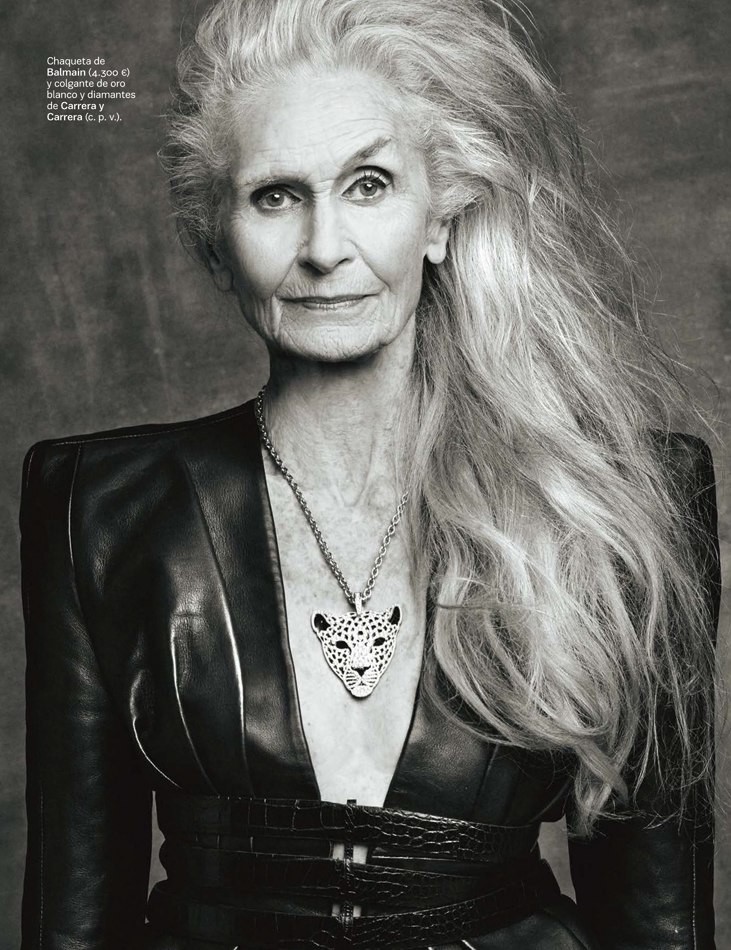
Daphne never threw old clothes away – everything got used again. She still had her first woollen bathing suit and continued to wear her mother’s clothes from the 1920s and 30s.
In 2019, Daphne was awarded the British Empire Medal.
She became a regular speaker in bookshops and appeared at the Cheltenham Literature Festival.
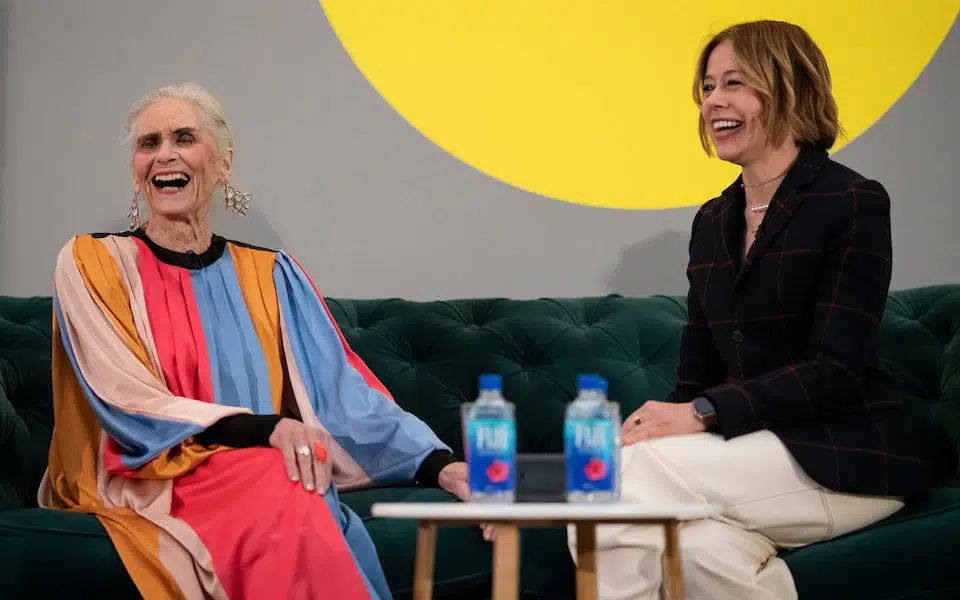
Asked the secret to her success, Daphne said, “I never wear beige.” She added, “I do love bright colours.”
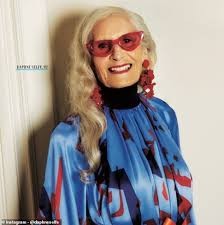
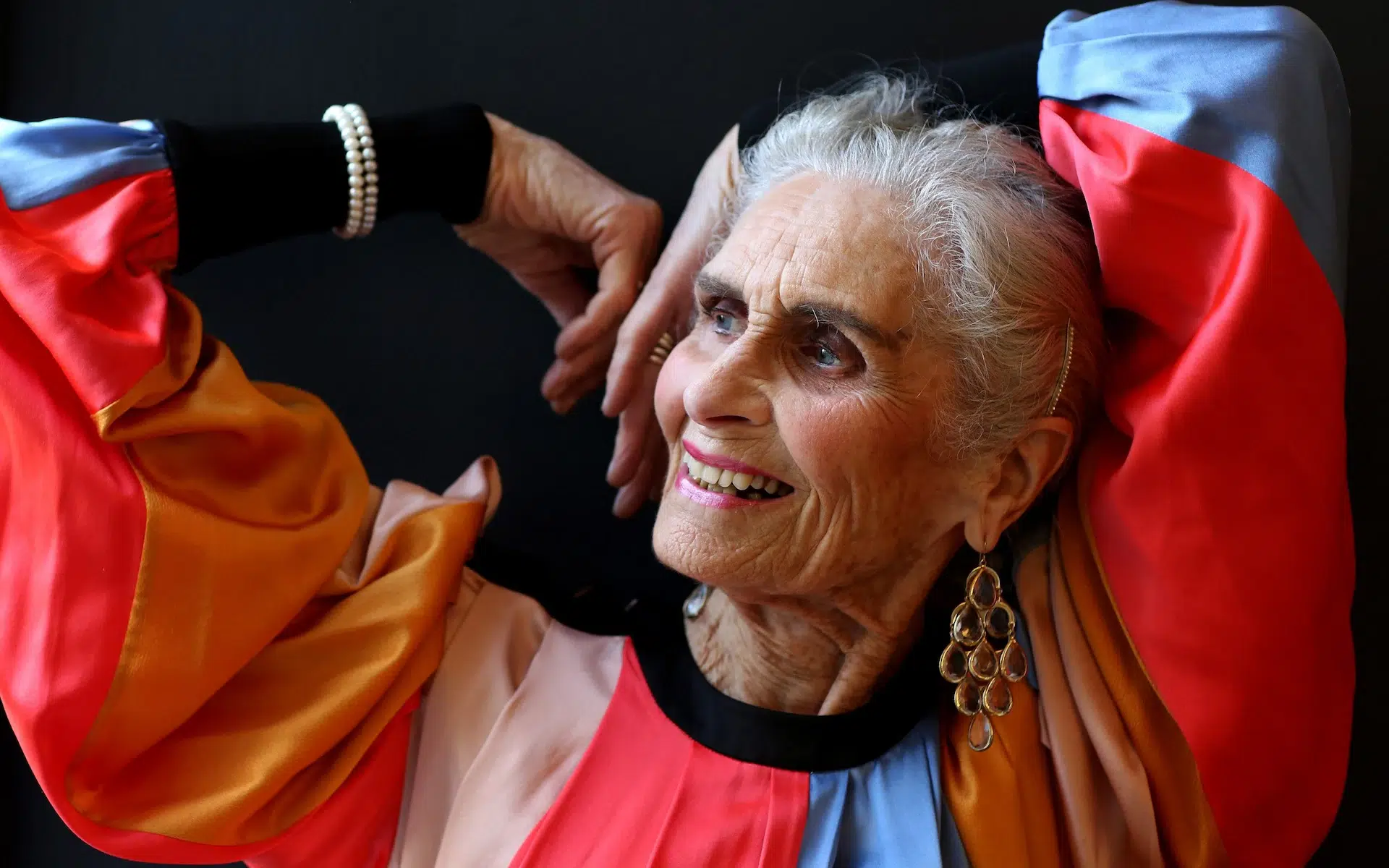
Daphne admitted, “I do look in the mirror sometimes and think ‘Oh dear! – Especially when I am wearing no make-up.”

She also confessed wearing high heels gave her sore feet. “I do creak a bit…I’m not the same as I was but you’ve got to keep going. I’m lucky, I’ve got lots of stairs. People who live in bungalows seem to seize up a lot more quickly.”
She finished by saying (with a twinkle in her eye), “However, at my age I like a little bit of airbrushing.”
In 2023, Daphne made the decision to move into Brinsworth House, a retirement home for actors. Nicknamed ‘the old pro’s paradise’, former residents included Norman Wisdom and Thora Hird.


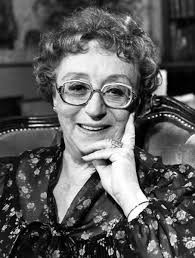

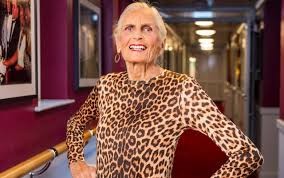
Even then, chauffeur-driven cars would turn up at the home’s doors to take Daphne to her photo shoots.
She could still do the splits into her nineties.
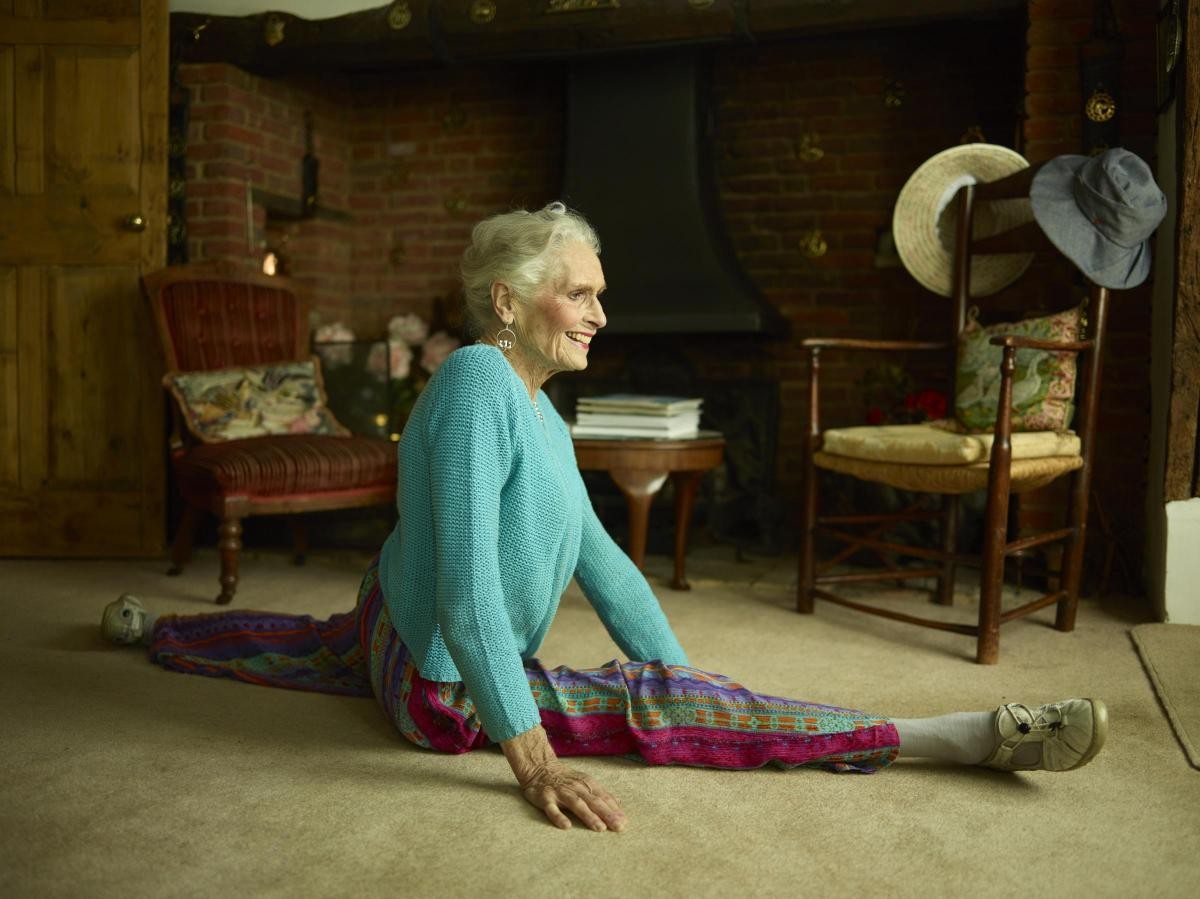
Daphne was still working right up until her death, aged ninety-seven, a career spanning over seventy years. Her last modelling assignment was in June 2025, at the Vogue Luncheon at Royal Ascot on Ladies’ Day. She claimed that it brought together all three of her lifelong loves – “Fashion, people and horses.”
On her death, Daphne’s family said, “She will continue to inspire, always and forever.”


RIP – Repeatedly In Photographs


