
THE ACCIDENTAL ART HISTORIAN
Born in Woolwich, John was the son of Ivy Millward and Harry Sankey, who had survived the First World War, and who went on to become a clerk.
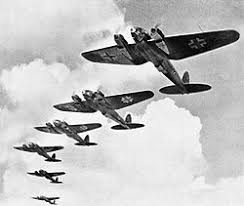
John was in primary school when he was evacuated to Kent at the start of the Second World War. He remembered watching the Battle of Britain being fought in the skies above Kent.


The school he was at was itself evacuated to Windsor.
John eventually ended up studying classics at Cambridge University and rowed for his college – Peterhouse. For his degree, John earned first-class honours.
From there, John did his National Service, being sent to Malaya during the Emergency. He saw action whilst he was there.

John’s time in both Malaya and Singapore sparked a lifetime interest in travel and different cultures. It also gave him a real love of curry (served with coconut and bananas).

Returning to Britain, in 1953, John joined the Colonial Office. He was posted to New York and worked at the United Nations.
Whilst in the Colonial Office, John met Gwen Putnam. They married in 1958 and would have four children.
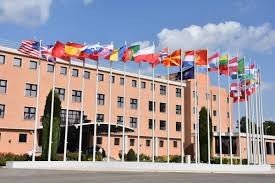
After an eleven-year stint in New York, John was transferred to the Foreign and Commonwealth Office, and was posted to Guyana, Singapore, The Netherlands (based in The Hague), Rome (at the NATO Defence College) and Malta.



His wife, Gwen, spent her time involved in charitable events in all of these postings.
Whilst in the Netherlands, John was invited to the Dutch Fruit and Veg Growers Association annual fete. The British embassy had sponsored a prize for British children who had grown produce. He was asked to present the prize.
Gwen was otherwise engaged in one of her projects, so he took his youngest daughter Caroline instead.
John was stunned to find actress Julie Andrews giving out all the prizes. They got on extremely well and the actress became a lifelong friend of both John and Caroline.

John was promoted to be Head of the Central African Department, based in London. He was regarded as Britain’s expert on all things African.
Gwen and John bought a house named ‘Merrieweathers’ in the village of Mayfield in Sussex.
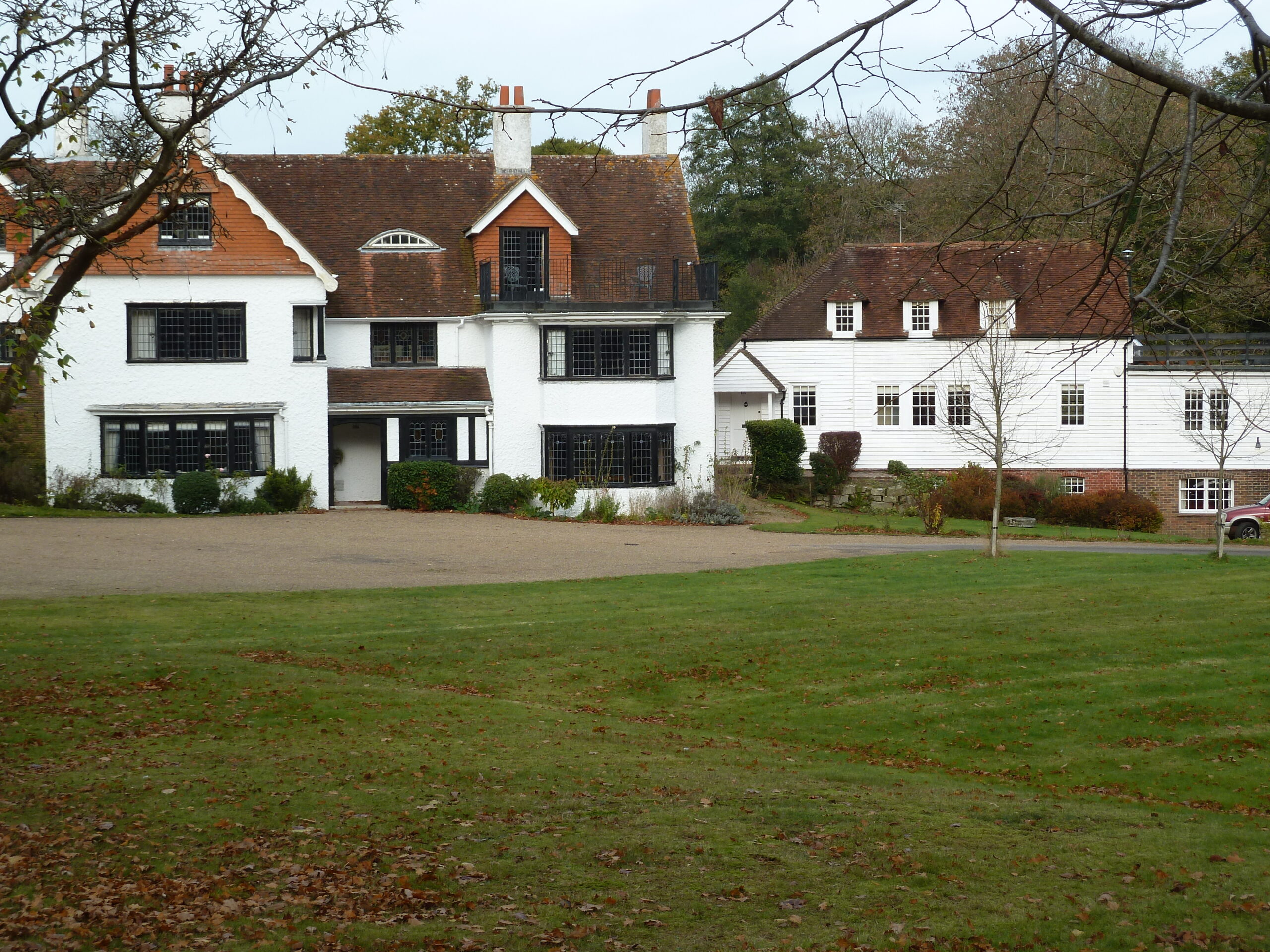
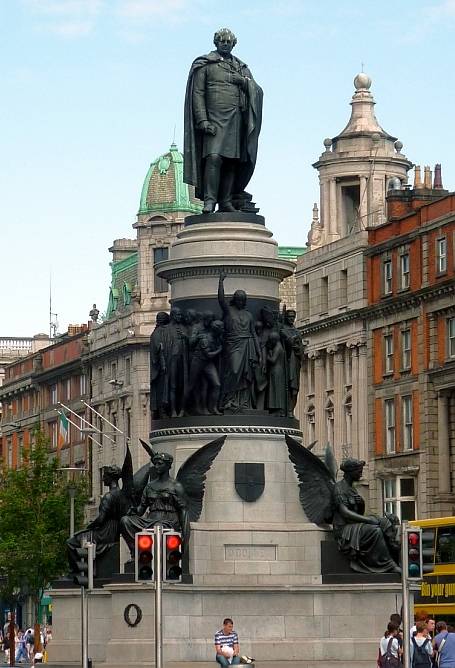
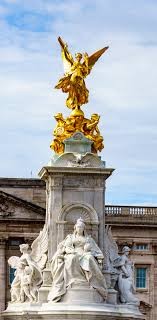
One day, John noticed the initials TB had been etched into a stained-glass window in the house. He did some research and found the house had once been owned by Thomas Brock, an eminent sculptor who had made the Queen Victoria Memorial outside Buckingham Palace – along with many other artworks.


Brock even designed the image of the older Queen Victoria used on British coins.

Researching Brock’s life became John’s passion. Pretty soon he was regarded as the main authority on the sculptor.
John was posted to Tanzania for three years as High Commissioner and then became the UK permanent representative to the United Nations in Geneva – a five-year posting.

It was whilst in Tanzania, that John’s wife, Gwen, noticed the damage caused by the disease leprosy. She dedicated the rest of her life to fighting this ailment, becoming President of the St Francis Leprosy Guild, back in England.
John finally retired in 1990. He was made Secretary General of the Society of London Art Dealers. He also became a director of the Art Loss Register.
John decided to turn his research on Brock into a PhD, based at Leeds University.
He subsequently turned his thesis into a book – ‘Thomas Brock, the Forgotten Sculptor of the Victoria Memorial’. The book had over one hundred illustrations by his daughter, Caroline Jarrett.

John also edited the first complete catalogue of Brock’s work.


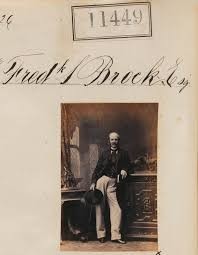
During his research, John found an anonymous biography of Brock, written in 1920. He managed to prove conclusively, that this was written by the sculptor’s son, Frederick. It gave a detailed insight into the sculptor’s life.
When the Queen Victoria memorial was refurbished in 2011, John was invited to come and view the works. He ascended seventeen ladders and clambered around the scaffolding – whilst he was in his eighties.

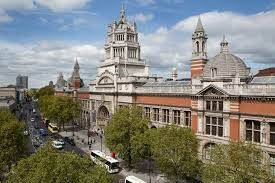
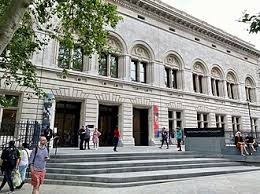
John also lectured on Thomas Brock at the V&A museum and also the National Portrait Gallery.
He was a devout Catholic and very active in his local church. He was a member of the ‘Knights of the Holy Sepulchre’ and helped his wife in working for the St. Francis Leprosy Guild.

John’s other passion was walking in the Jura.
His daughter, Caroline, said wherever he went and whoever he met, John could always find a connection with them, regardless of whether it was taxi driver, an old lady out shopping, a diplomat or an artist. He got on with absolutely everybody.
In the last year of his life, John became a full-time carer for his wife Gwen.
John continued working on Thomas Brock’s life-story right up until his death, whilst preparing commemorations to mark the one hundredth anniversary of the sculptor’s death.
Despite being vaccinated twice, John was rushed into hospital and died of Covid shortly afterwards.
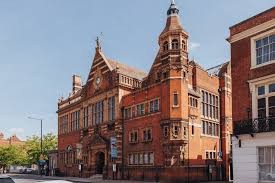
All his archive has been donated to the Worcester City Art Gallery and Museum – because Brock was a Worcester man).
The Victorian Web said, “Brock was served well by his son and even better by his Twenty-First Century editor (John)”.
John’s daughter-in-law continued with the anniversary commemorations.
John’s wife, Gwen, died shortly after him.
RIP – Researching Inspiring Person


