
GHOST IN THE WIRES
Kevin was born in Van Nuys, a suburb of Los Angeles in California. His parents were Jewish – Shelley Jaffe and Alan Mitnick. Shelley was half Armenian.
His parents divorced when Kevin was just three. Shelley got a job as a waitress.


She had a string of partners, some of whom were cruel to young Kevin. Consequently, he became a very naughty child.

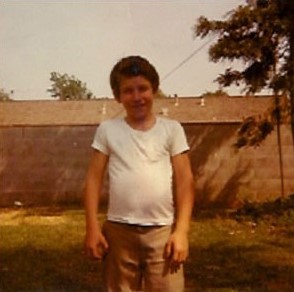
He attended James Monroe High School in LA. His nickname was ‘Condo’, due to the fact he was obsessed with the film ‘Three Days of the Condor’. He was not popular with other students, being labelled as a ‘nerd’.


Kevin’s criminal career began when he was twelve. He persuaded a bus driver to show him how to get him a ‘ticket punch’, enabling him to travel for free throughout the whole LA region. Kevin claimed it was for a school project.
Kevin had a girlfriend called Susan. Her father was an amateur magician and taught Kevin many tricks.
As a teenager, Kevin was constantly in trouble, being described by his teachers as ‘mischievous’. He had a defiant attitude to authority. He also had a particular skill at mimicry.
In his leisure time, Kevin became an amateur radio operator, getting a license to do this. His call sign was WA6UPS.
Kevin became obsessed by technology, especially phones and computers.

He joined a covert group in Los Angeles called the Anonymous Hackers Club.
He managed to hack into the local telephone company, which meant he got free calls. Kevin claimed he had to do this as his family were so poor.
Many of the calls were pranks. Kevin imitated other people’s voices and pretended to be them who was phoning. It caused a lot of mischief.
Kevin soon became extremely proficient at working with computers. He found his high school’s operating system so inefficient that he wrote to the nearby California Institute of Technology, asking permission to use their systems. This was granted.

Kevin hacked into the records of a company that processed racehorse pedigrees. However, they discovered this and reported him to the authorities.
The FBI visited his home and gave him a dressing down in front of his mother. Although no further action was taken, Kevin was warned not to do it again.
He ignored them. Kevin outstayed his welcome at the Institute of Technology. He could not resist hacking into the college’s confidential files – but was caught. The security guard put him into handcuffs and refused to release him until his mother came to pick him up.
After leaving high school, Kevin enrolled at the University of Southern California (USC).
When he graduated, Kevin worked as a receptionist at a Jewish temple in the LA suburb of Bel Air.
Kevin gained unauthorized access to a computer network when a friend gave him the telephone number for ‘The Ark’ – a computer system that was used by the Digital Equipment Corporation (DEC) for their operating systems. He copied all their software.
Kevin couldn’t resist bragging about this. He told his former girlfriend Susan what he had done – and she promptly told the police.
Kevin was arrested and charged. He was sentenced to twelve months in prison, followed by three-years supervised release.
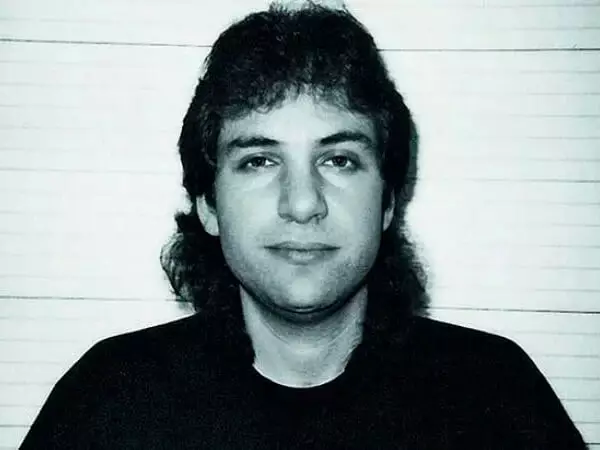
Having a criminal record, Kevin found it impossible to get a job, so he returned to his criminal ways.
Just before finishing his release term, Kevin hacked into the Pacific Bell Telephone Company’s voicemail computers.


A warrant for his arrest was issued but Kevin went on the run. He was a fugitive for two and a half years.
Whilst on the run, Kevin hacked into dozens of computer systems across the USA. He stole valuable software from many companies, changed passwords and broke into private emails. Kevin also broke into the government’s computer systems as well as those of many American universities.
He used cloned phones to hide his whereabouts. The FBI constantly searched for him, labelling him their ‘Most Wanted’.

Despite all of his activities, Kevin did not make any money from it, refusing to steal or do any harm. To him it was like a chess match, and he was like a trophy hunter, trying to prove how many organisations he could infiltrate. He loved outwitting, “All things establishment.”
The FBI eventually caught up with Kevin, arresting him at his apartment in Raleigh, North Carolina, in February 1995. The FBI found hundreds of phones and lots of false identification in his home. They also discovered thousands of cloned credit cards – none of which had ever been used.
Kevin faced many charges, including having access to federal computers. He pleaded guilty as part of plea bargaining.


During his trial, Kevin was diagnosed with Asperger’s Syndrome, but this was deemed inadmissible as he had already pleaded guilty.
He was given a sentence of forty-six months, plus another twenty-two for having violated the terms of his previous supervised release.
When the judge was summing up the case, Kevin told him that he “Could start a nuclear war by whistling into a pay phone.” This comment earned him eight months in solitary confinement.

Kevin spent five years in prison. He complained that he could not get a decent kosher meal inside and contacted various newspapers to highlight the issue.

He was released in 2000 and spent another three years under supervision. The terms of this meant he was not allowed access to any technology other than a landline. He was also prohibited from making any profit from books or films about his career in crime.


Despite everything Kevin had done, he built up a lot of public support as some people felt his punishment was excessive. A ‘Free Kevin’ campaign began.


It said, “Doesn’t the FBI have more dangerous criminals to find and prosecute than a mischievous trickster gaining unauthorised access for fun – not a dangerous felon.”
It was at this time that Kevin married Kimberley, who worked in cyber security. They lived in Las Vegas.


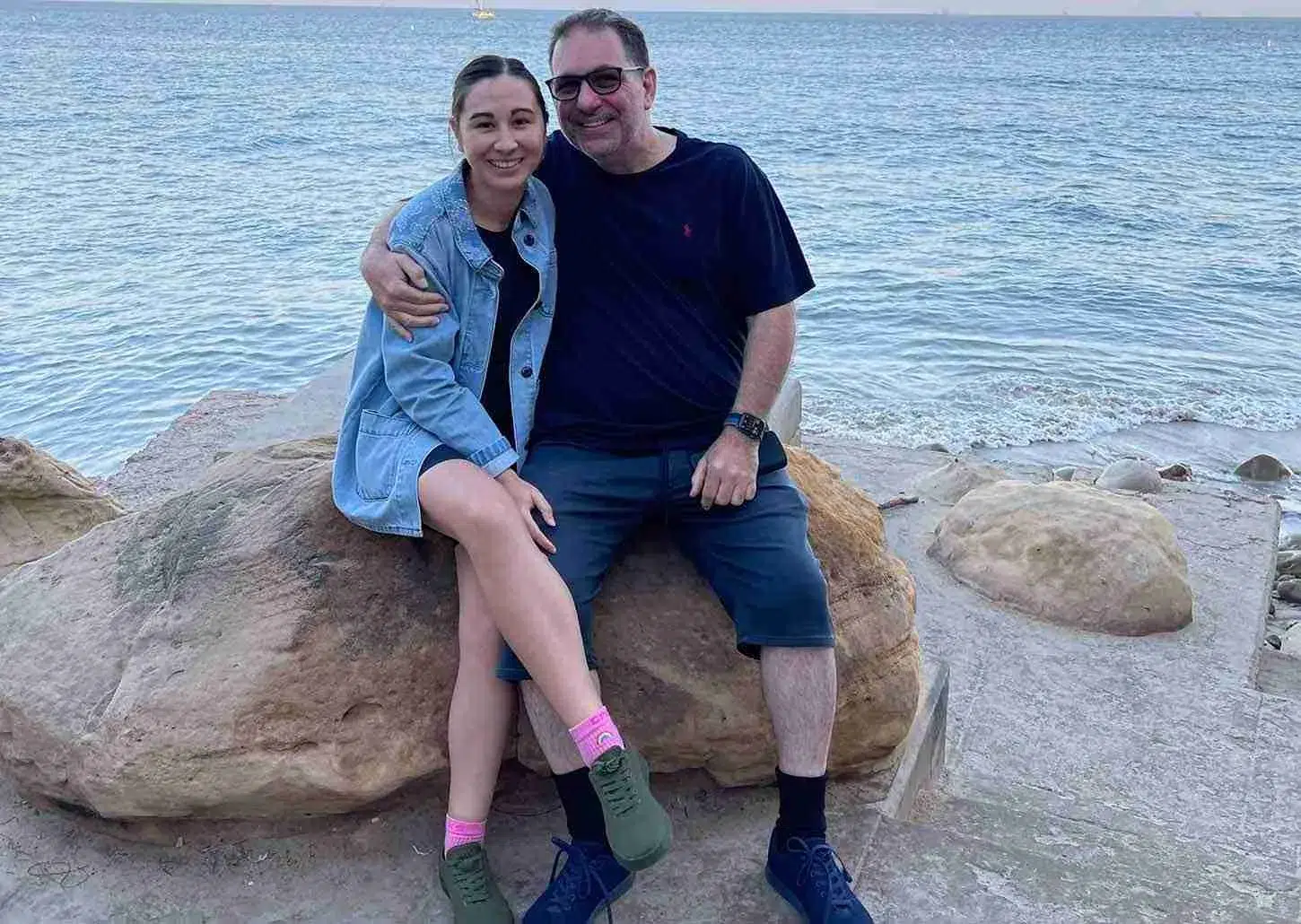
The following year, a judge decided Kevin was rehabilitated enough to regain an amateur radio license.
Kevin finally had a book written about his activities – ‘Takedown’ by John Markoff and Tsutomu Shimomura. Both authors had played a major part in tracking him down. It led to a film entitled ‘Takedown’.
His fraudulent activities led to an improvement in the laws for dealing with computer crime. It also raised the awareness of the necessity of cyber security.
Once allowed to operate computers again, Kevin became a ‘White Hat Hacker’ – this is a term for somebody who is paid by companies to test their security systems and discover their vulnerabilities.


With a friend, Kevin co-founded a company called ‘KnowBe4’ and appointed himself Chief Hacking Officer. He worked for governmental agencies as well as private companies.



He was also a speaker and an author, writing an autobiography called ‘The Art of Deception’.

A second memoir was called ‘Ghost in the Wires’.

Kevin died of pancreatic cancer aged just fifty-nine. Kimberley was pregnant with their first child at the time.

His latest company, Mitnick Security said, “Kevin was an original; Much of his life reads like a fiction story.”


RIP – Rogue In Prison


