
MADEMOISELLE HELICOPTER
Valerie was born in Strasbourg in the Alsace region of France.
Aged ten, Valerie was taken to an air display. She was enraptured. Afterwards, she met the aviatrix Maryse Hilsz, who had just flown from Paris to Saigon – and back again.
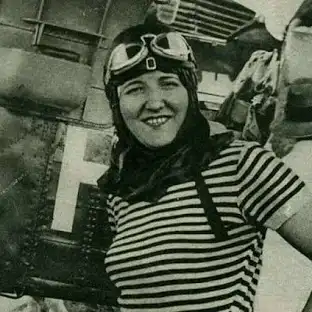

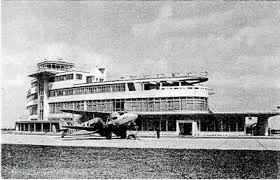
From then on, Valerie was determined to become a pilot. She spent all of her free time at Strasbourg airport.
As a teenager, she took some flying lessons, leaving her with a lifelong passion for aeroplanes. The French government paid for boys to have these lessons, as part of a national defense scheme, but girls were excluded – so Valerie had to fund herself.
She decided to train to become a doctor and was studying at the Faculty of Medicine of the University Strasbourg in 1940, when the Nazis invaded France.
They announced that nobody from the Alsace was allowed to study medicine, so the department relocated to Clermont Ferrand – Valerie went with it.
There, the Gestapo raided the university, searching for saboteurs, French Resistance members and Jews. Valerie managed to flee whilst the search was going on.
Fearing arrest, she relocated to Paris to complete her studies at the Sorbonne. It was here that she joined the resistance.
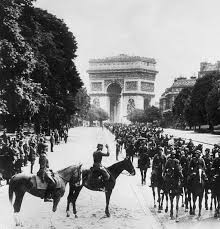
Valerie was still in Paris at the liberation. She was impressed by the Free French marching through the city. “They were like modern knights.” At that moment, she decided she would join the army.
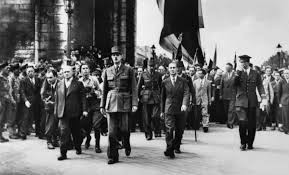
Now a fully qualified doctor, Valerie joined the military in the medical corps.
She applied to train as either a pilot or a parachutist, feeling this would add excitement to her life, but was refused on the grounds that women were not allowed to undertake these tasks.
France was now engaged in a war in Indochina, fighting the Viet Minh, led by Ho Chi Minh.
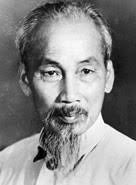
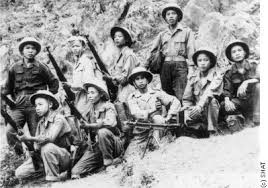
Conscription was still in force in France, although recruits were allowed to opt out of fighting in the Far East. Valerie volunteered for Indochina and arrived there in 1948.
Despite it not being her medical specialty, Valerie quickly realised there was a desperate need for neurosurgeons due to the high numbers of head injuries. A senior doctor taught her the skills, and she became qualified.
She was soon treating over one hundred head injuries a month.
Valerie noticed the process of getting treatment to wounded soldiers was laborious. A plane would pick up the injured men from the ground and fly them to the hospital. Many died on the way.
She suggested that if she was on the plane, she could treat the men immediately. French aircraft were flimsy and lightweight and could only carry the pilot and two injured men. Valerie was so tiny that she would hardly add weight.
However, there was a shortage of trained pilots.
Valerie realised if she piloted the plane, she could carry an extra injured man aboard.
Therefore, the army relaxed its rules, and Valerie was able to take her flying qualifications. Consequently, she became the first female flying doctor in the world.
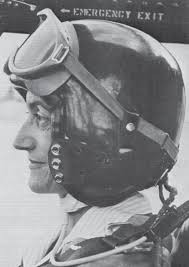
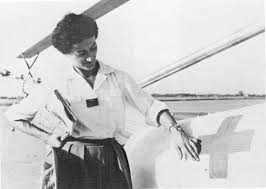
However, she still faced resistance from male pilots. Years later, she reflected, “There was opposition. It wasn’t the done thing. But then, suddenly it was. It was exhilarating.”
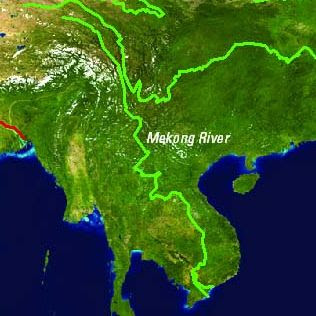
Indochina is the area that nowadays covers Laos, Cambodia and Vietnam – much of it jungle.
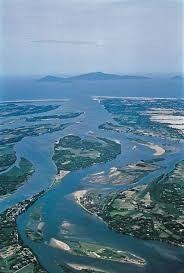
Valerie was based at My Tho, a small city on the Mekong River Delta. Her main duty was to treat wounded soldiers in the field.
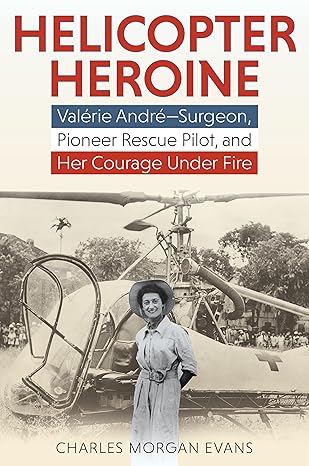
One day, whilst in Saigon, Valerie saw a helicopter in action. It was flown by Alan Bristow, a British pilot who owned his own company, which had just been given a contract to supply helicopters to the French air force. He was giving a demonstration to French pilots.
Valerie thought they would be perfect for accessing denser parts of the jungle. She applied to become a helicopter pilot. In order to train, she had to return to France.
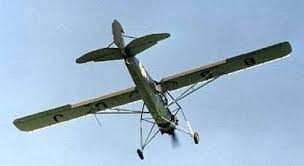
When Valerie passed her qualifications, she flew a helicopter all the way to Indochina.
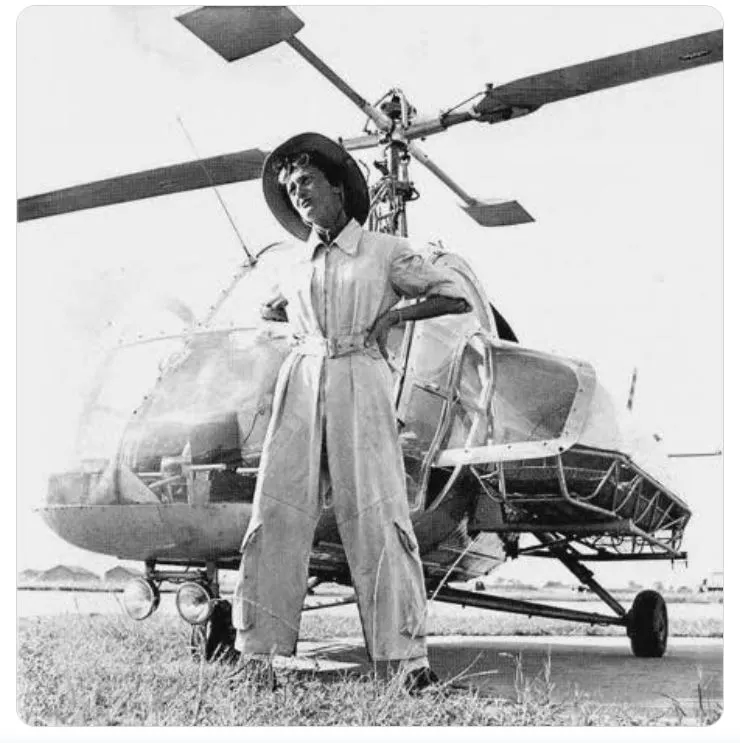
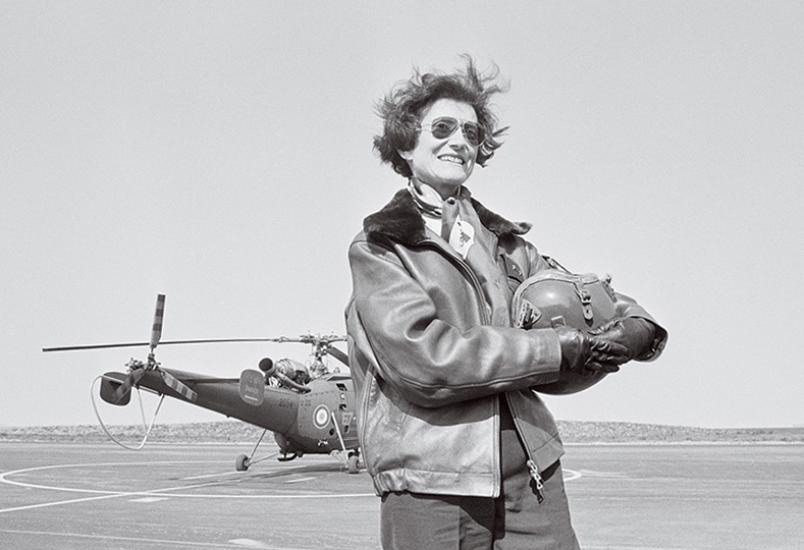
In spite of her achievements there was still a lot of prejudice. Valerie was told she would not be able to fly helicopters in Indochina.
However, one person gave her an opportunity. The Squadron Leader, a Corsican called Alexis Santini, told her that he would give her a chance to prove herself.
He was the first helicopter pilot in the French air force and was regarded as a war hero, having won the Croix de Guerre.
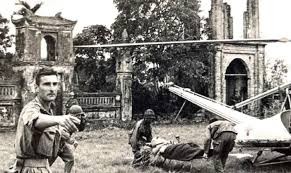
After just one test flight, he told her was now part of the team – and she was given a Hillier UH12/360 to fly.
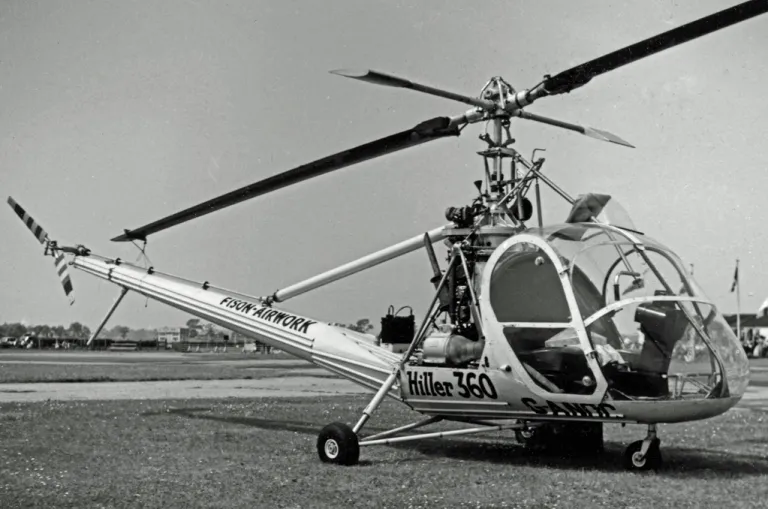
Valerie became the first woman ever to fly a helicopter in a combat zone. “For the boys it was wonderful to know if they were injured, they could be rescued.”
Her most famous mission came in December 1951. Some soldiers were badly wounded in Tu Vu, on the Black River, and needed evacuating.
There was no helicopter available at the time. The nearest one was in Saigon. It was hurriedly dismantled, flown by plane to Hanoi and reassembled, enabling Valerie to fly into action.
She landed In Tu Vu and triaged the troops, operating on the badly injured ones and performing emergency brain surgery under continuous fire from mortars and machine guns. She flew the wounded men out, two at a time, later returning for the others.
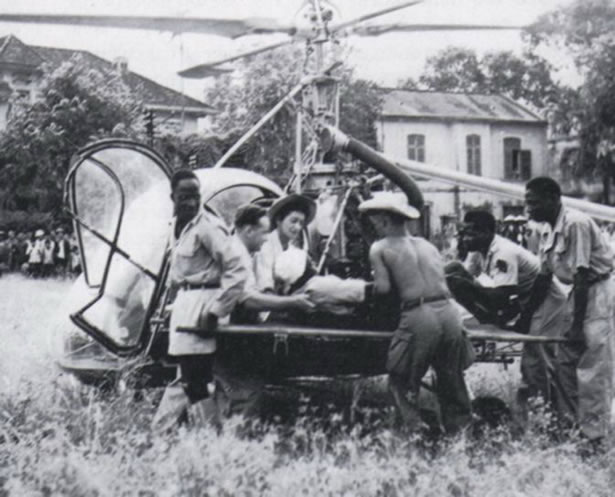
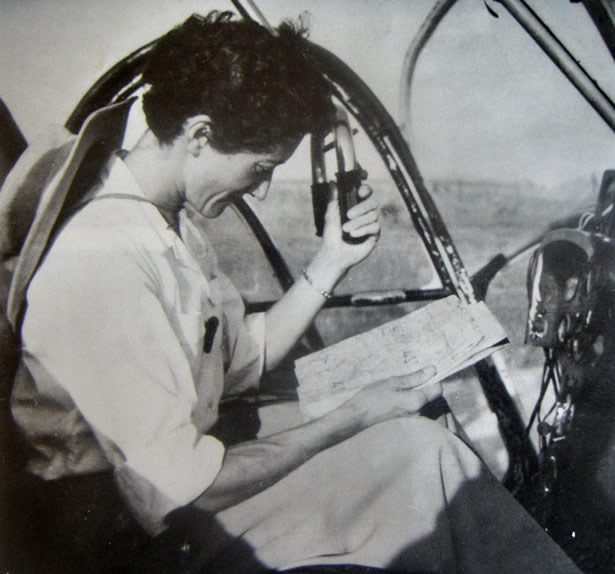
Valerie was rewarded by being put in command of a casualty evacuation flight. She also won the Croix de Guerre.
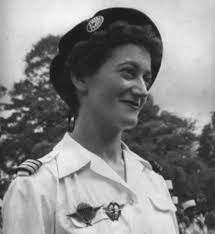
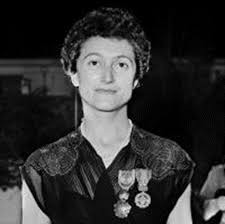
Valerie had also won the respect of the Vietnamese. They called her, ‘The woman who came down from the sky’, or more prosaically ‘Mrs Ventilator’.
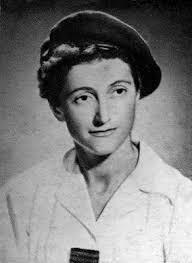
She was also involved in the battle of Dien Bien Phu, the decisive battle in the war.
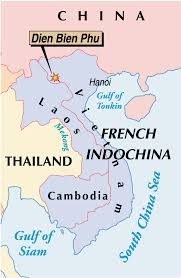
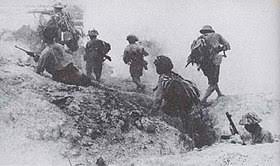
On one occasion, she was flying a badly wounded soldier out of the battle zone when he regained consciousness and tried to wrest control from her. However, he collapsed again before succeeding.
Another time, she had landed in No Man’s Land when her engine overheated. There was nowhere for Valerie to hide. Luckily, a French patrol rescued her before the Viet Minh arrived.
Valerie suffered amoebic diseases – but refused to stop flying, however ill she was.
In Indochina, Valerie flew 129 missions between 1952 and 1953, rescuing 165 French soldiers. The troops called her ‘Mademoiselle Helicopter’.
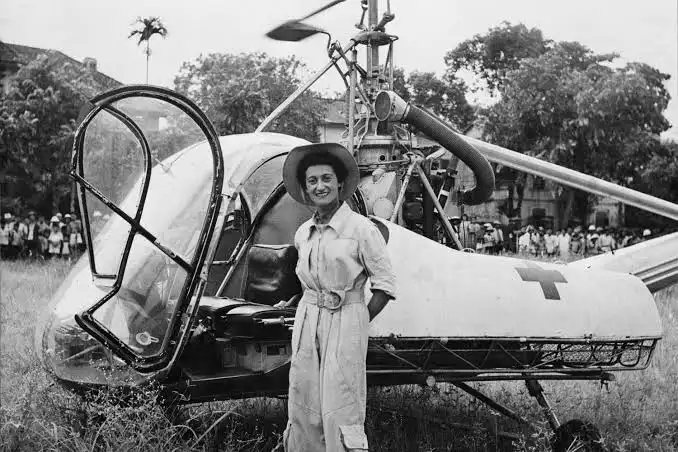
She also made two parachute jumps into the jungle in order to carry out surgery. On these occasions, her pilot was Captain Alexis Santini.
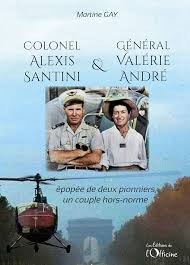
Shortly afterwards, Valerie and Alexis got married. She always referred to them as ‘comrades in arms’.
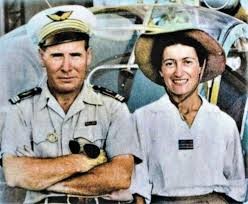
Valerie recalled his faith in her ability, and said of Alexis, that he, “Mattered most in my life.”
In 1960, Valerie was transferred to Algeria – into another war zone. She was made Medical Commander but kept being promoted. Ultimately, she became the Chief Physician to the Reghaia air base.
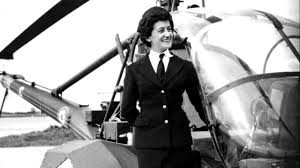
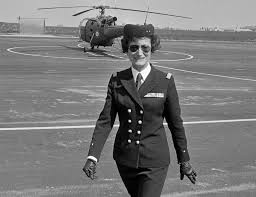
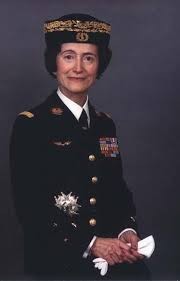
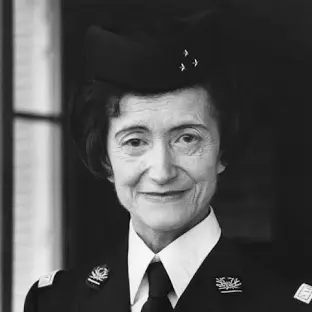
As well as medical helicopters, she also flew troop transporters.
The helicopters she flew were the more sophisticated ‘Alouette 2’ and a ‘Sikorsky H-34’.
The war in Algeria finished in 1962. Valerie flew 365 missions whilst there.
Valerie was posted back to France – and never flew in combat again. She had flown a total of 496 war missions, which amounted to 4,200 flight hours.
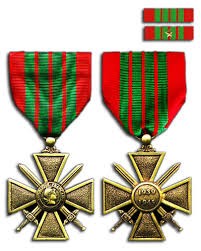
She had also won the Croix de Guerre six times – a record for a woman.
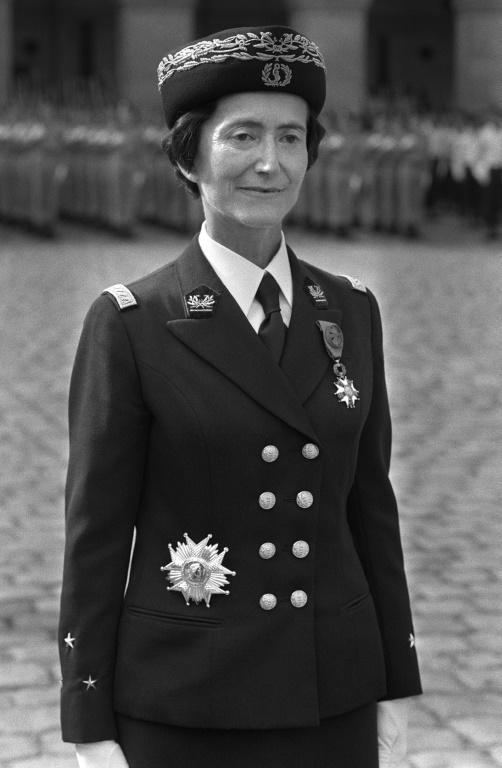
Valerie was made Chief Physician at a military air base, the first woman in France to achieve this.
Further promotions saw her become Physician General, the Inspector General of Medicine in the military and finally advisor to the French Military Air Transport.
She was the first woman in France to reach the rank of General.

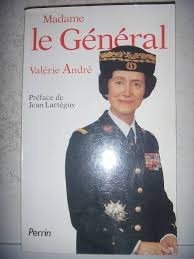
Valerie was also a great advocate of having increased numbers of women in the French armed forces. She was appalled to discover that many women doctors with exemplary qualifications were being turned down whilst male doctors with poorer credentials were being accepted.
She lobbied the French National Assembly to halt this practice.
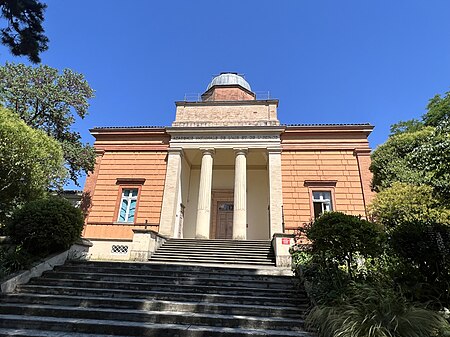
She was a founder member of the Academie de l’air et de l’espace (French National Air and Space Academy), which is based in Toulouse.
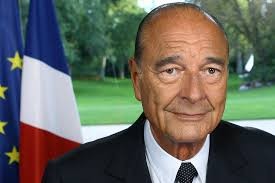
President Chirac awarded Valerie the Grand Croix (Great Cross), the highest level of the Croix de Guerre (her seventh award). Only eight women have ever achieved this level.
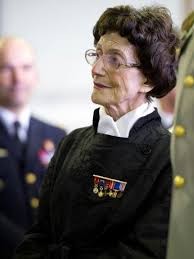
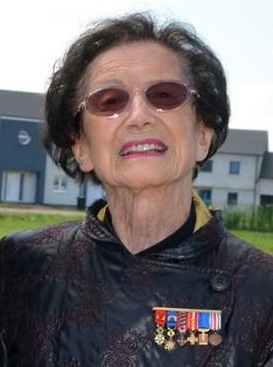
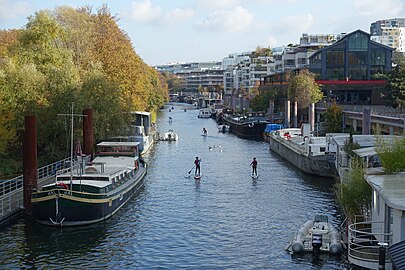
Valerie and Alexis retired to Issy-les-Moulineaux, a suburb of Paris.
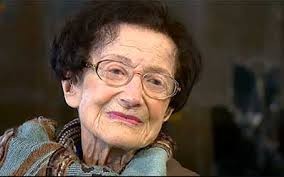
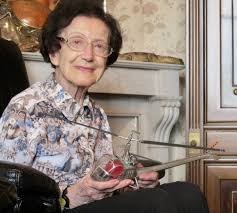
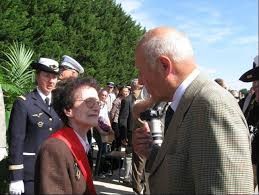
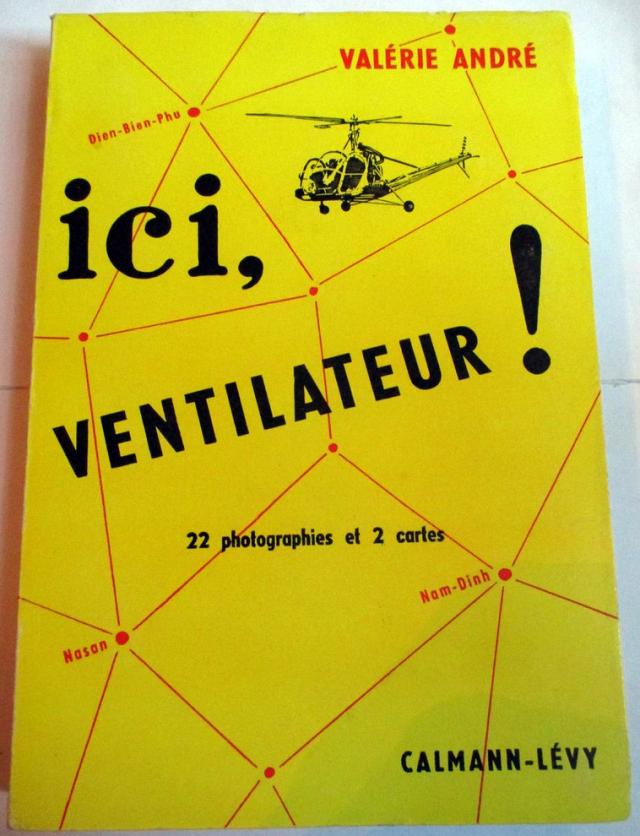
Valerie wrote two memoirs, one in 1954 and another in 1988. When her husband died, she moved into a local retirement home.
She said, “I have always been a rebel. I rebelled against outdated injustices or outdated traditions. But I was always a rebel who liked order…and risks.”
In an interview on her 100th birthday, she was asked, ‘Did you achieve your dreams?”
“Oh, yes”, was the response.
“You can learn anything. If you’re motivated enough, everything seems easy. I think that the boys found that I was probably an ok pilot.”
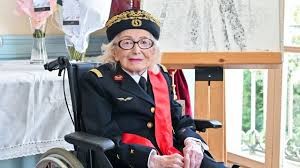
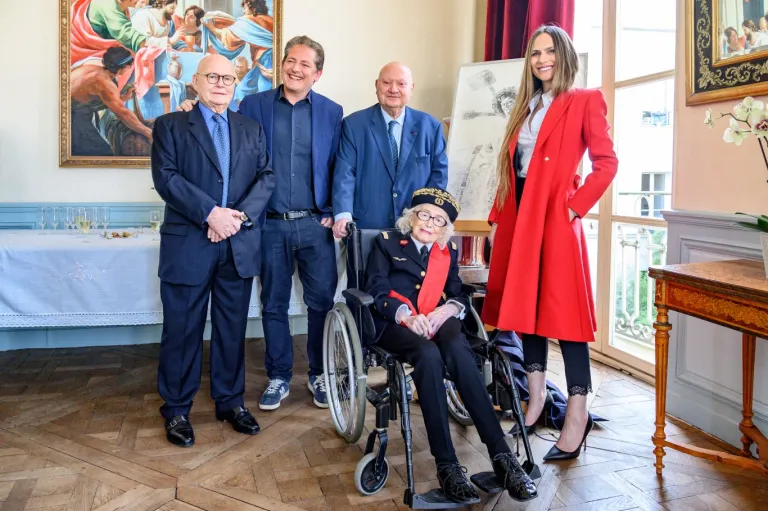
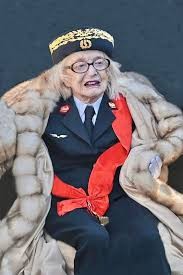
Asked about her legacy, Valerie said, “When I started there were no women doctors in the armed forces. Today, over fifty percent of the French Military Medical Corps are women.”
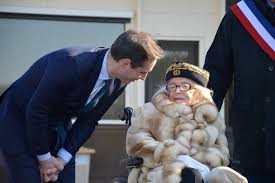
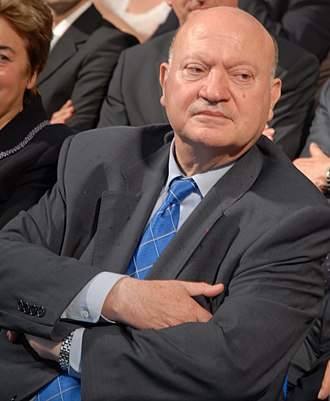
Valerie was the aunt of French politician Andre Santini, who was Minister for the Civil Service and has been Mayor of Issy-les-Moulineaux since 1980.
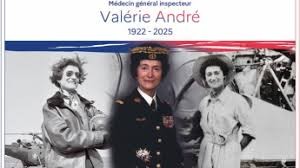
Valerie died aged 102.
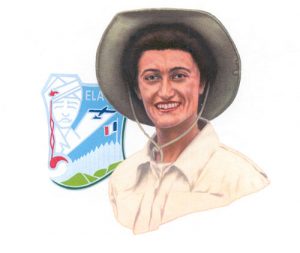
RIP – Rescuing Injured Paratroopers


